
Treatments
Cast Partial Denture
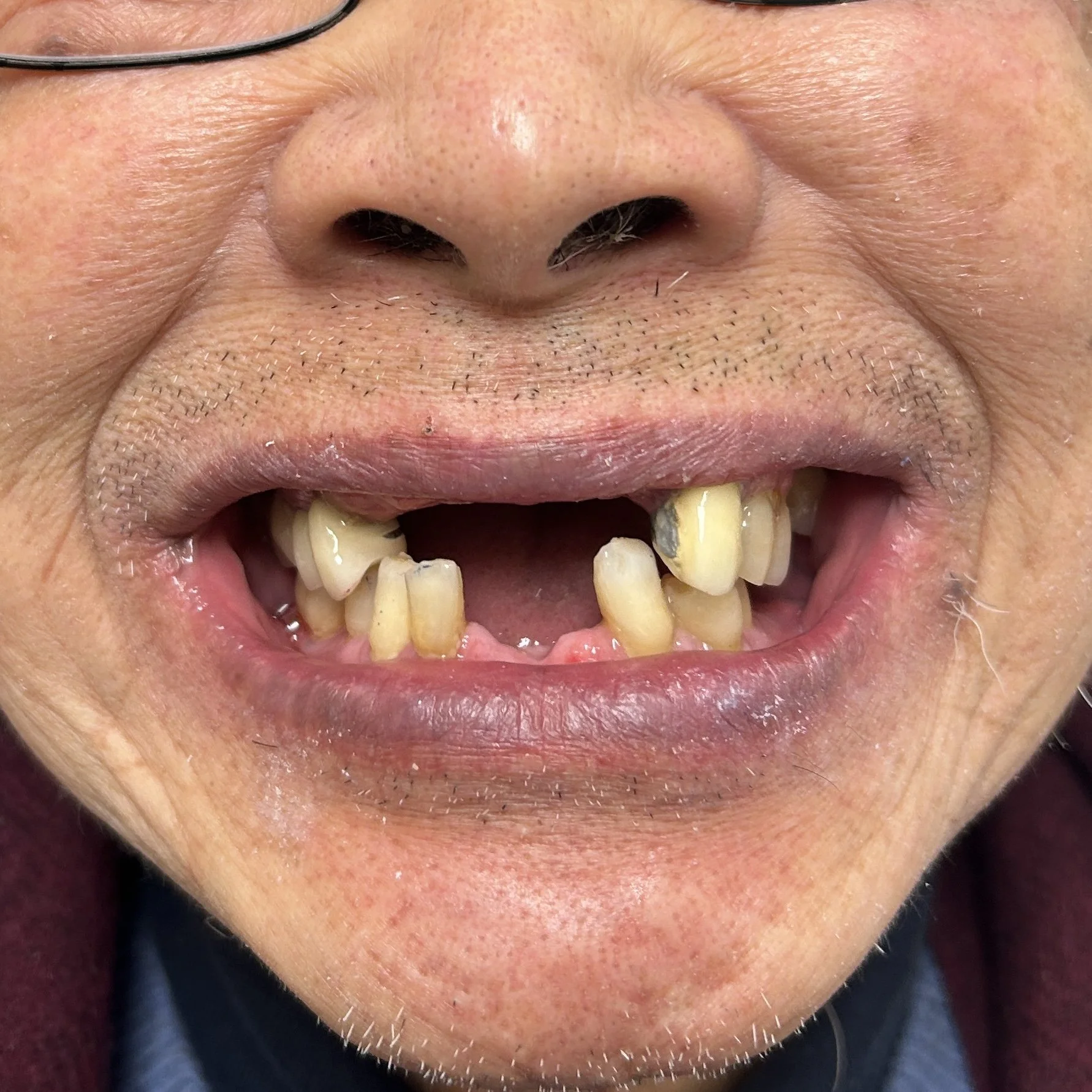
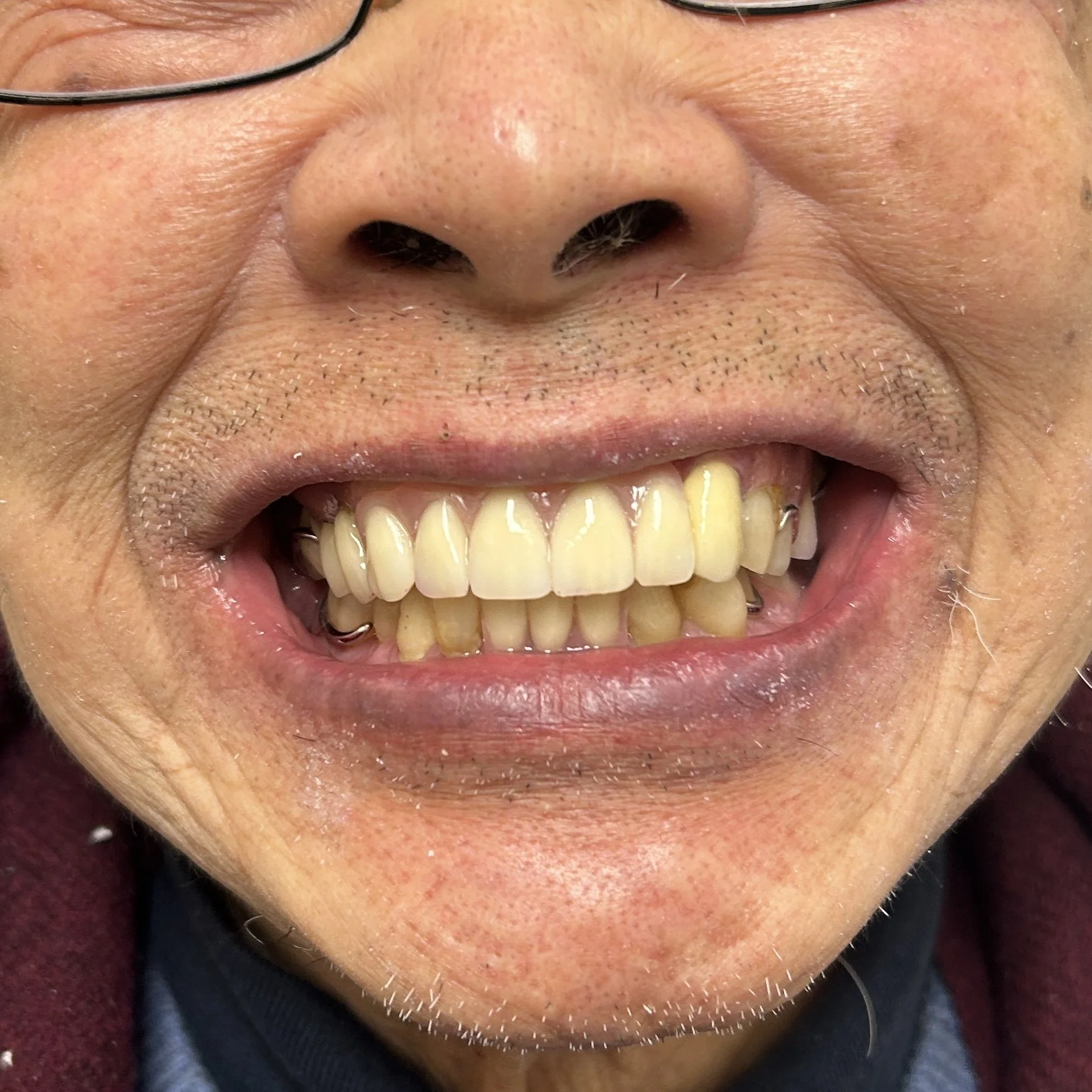
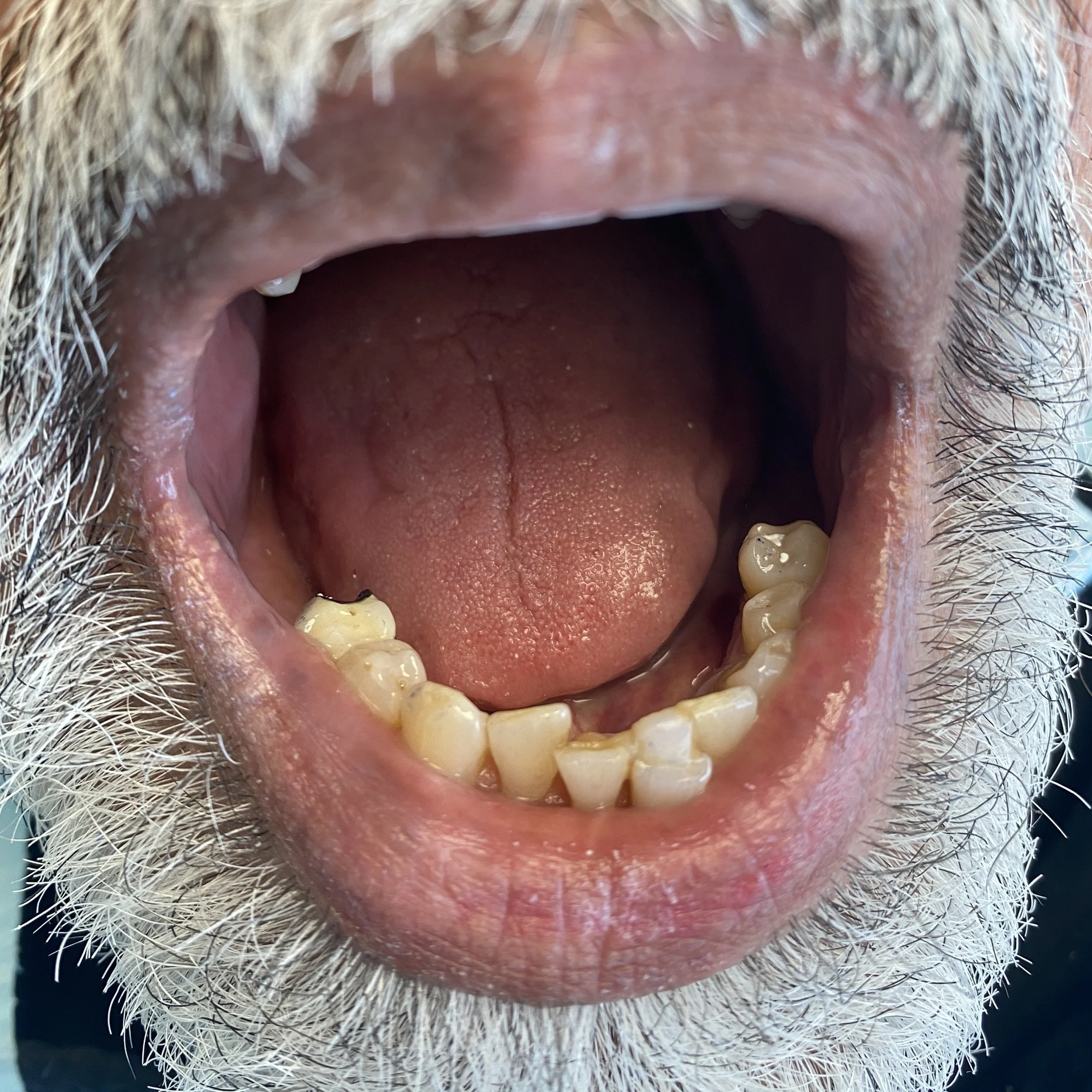
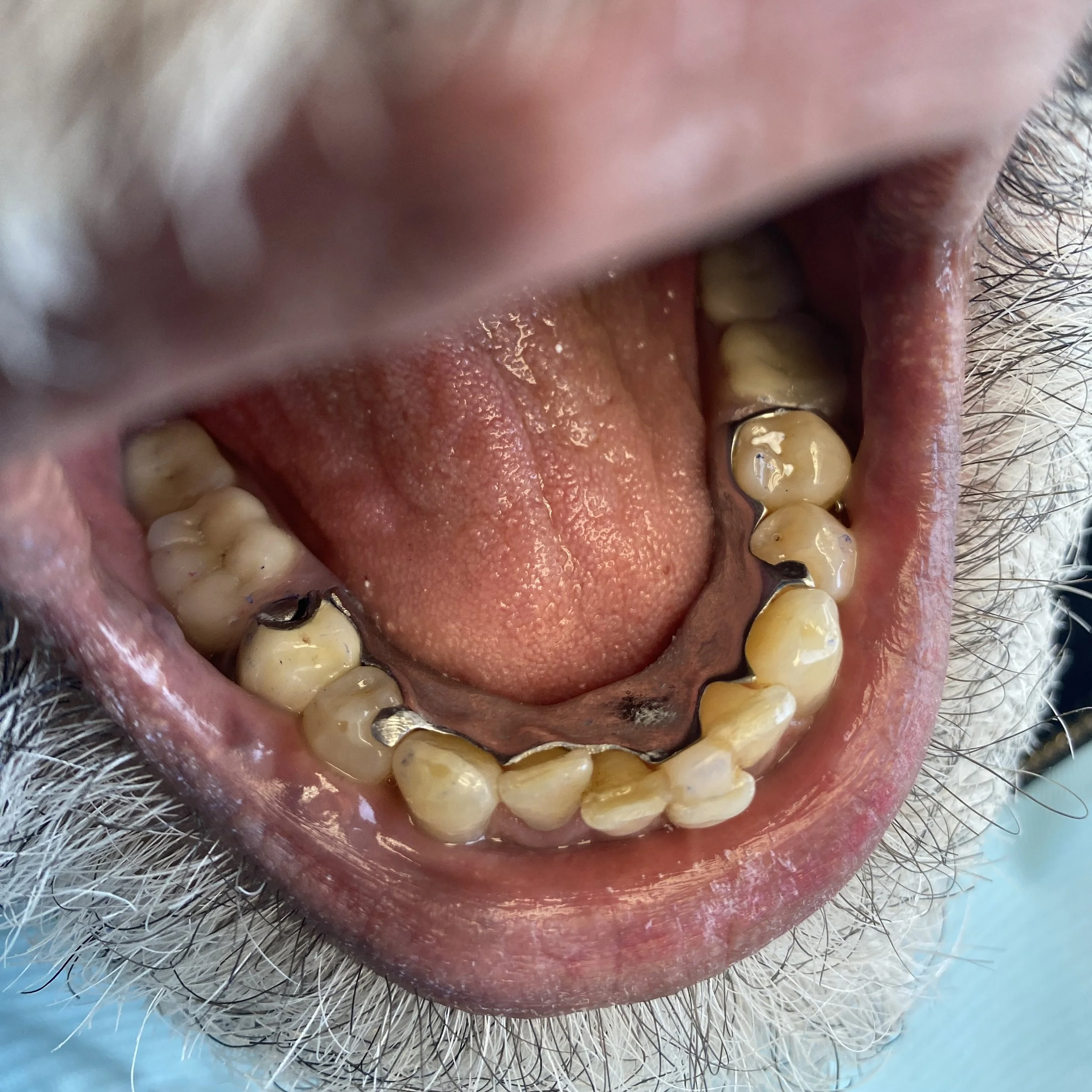
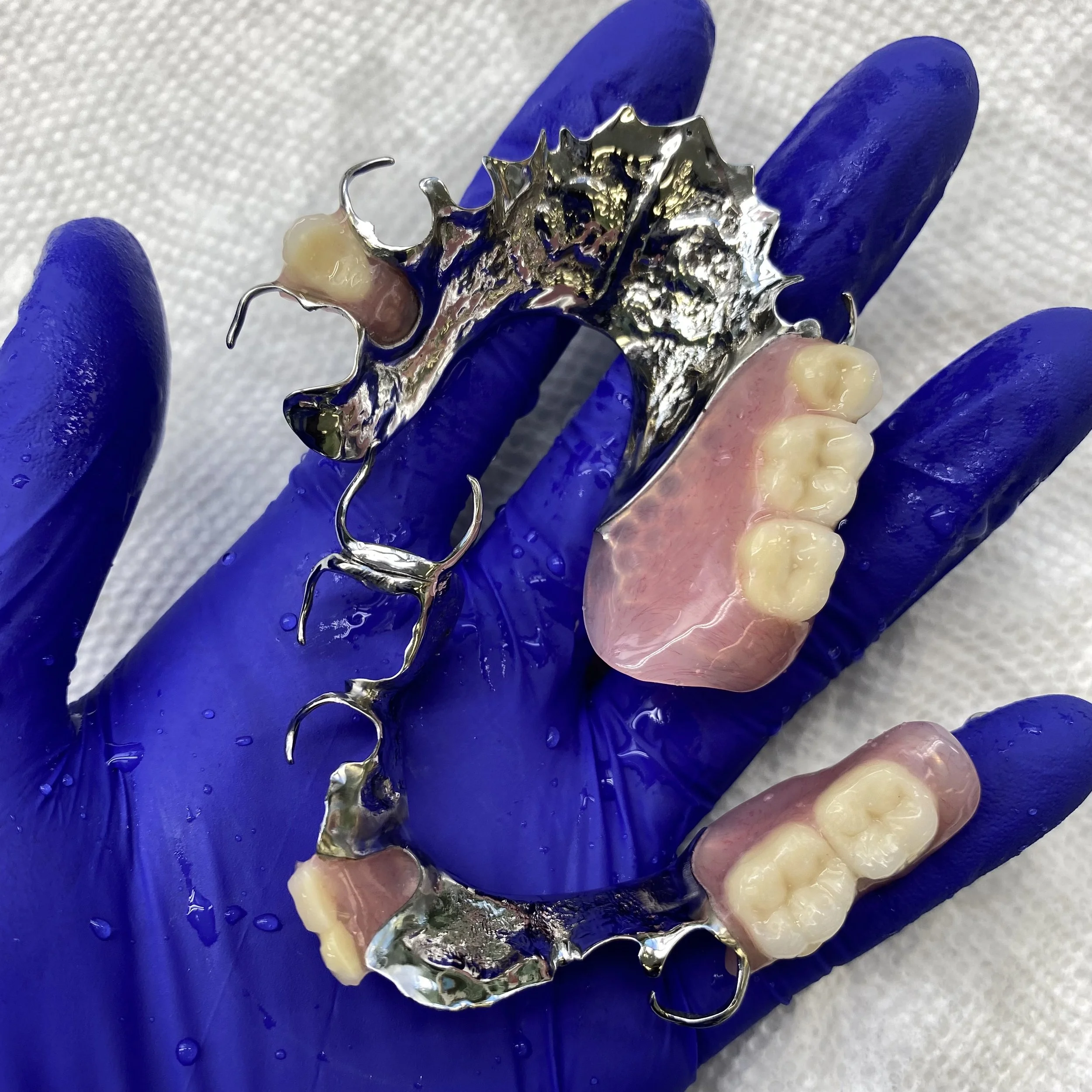
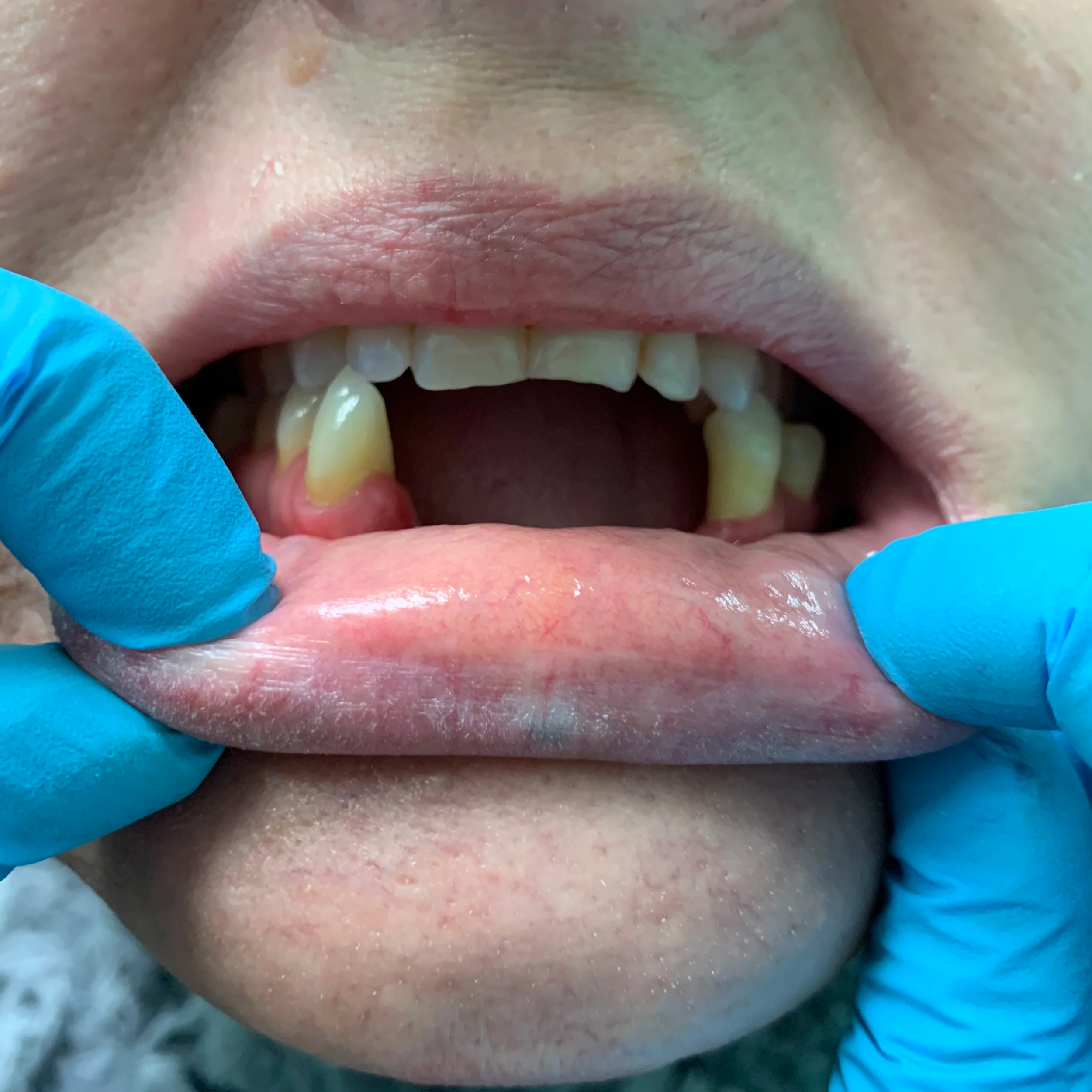
A cast partial denture is a removable denture designed to replace one or more missing teeth. It features a strong metal framework that allows it to be thin, lightweight, and comfortable. While some patients assume metal makes the denture bulky or uncomfortable, the opposite is true — because the framework is strong, it can be made slim and precisely fitted for improved comfort and stability. With the help of intraoral scanning and detailed digital impressions, accuracy is enhanced, allowing for a well-fitting framework that supports better function and long-term comfort.
The metal framework is typically not visible. On upper dentures, it rests on the palate, and on lower dentures, it is positioned behind the natural teeth. The design and size of the denture depends on the number and location of missing teeth to ensure proper support and stability. The denture stays securely in place using clasps (hooks) that attach to your natural teeth. These clasps are traditionally made of metal, but if esthetics is a concern, flexible pink clasps may be considered as an alternative to help the denture blend more seamlessly with your smile.
Flexible Clasps
Acrylic Partial Denture
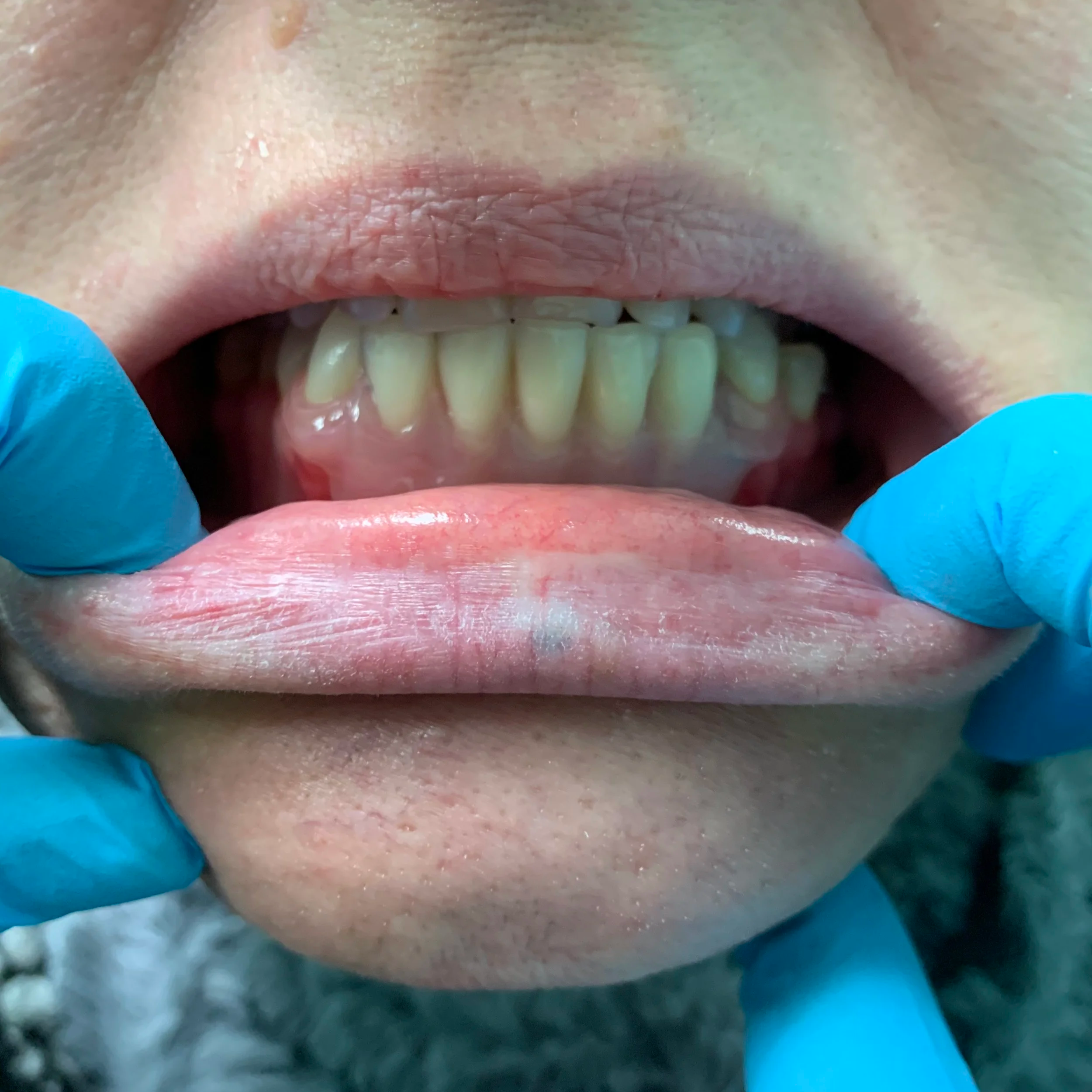
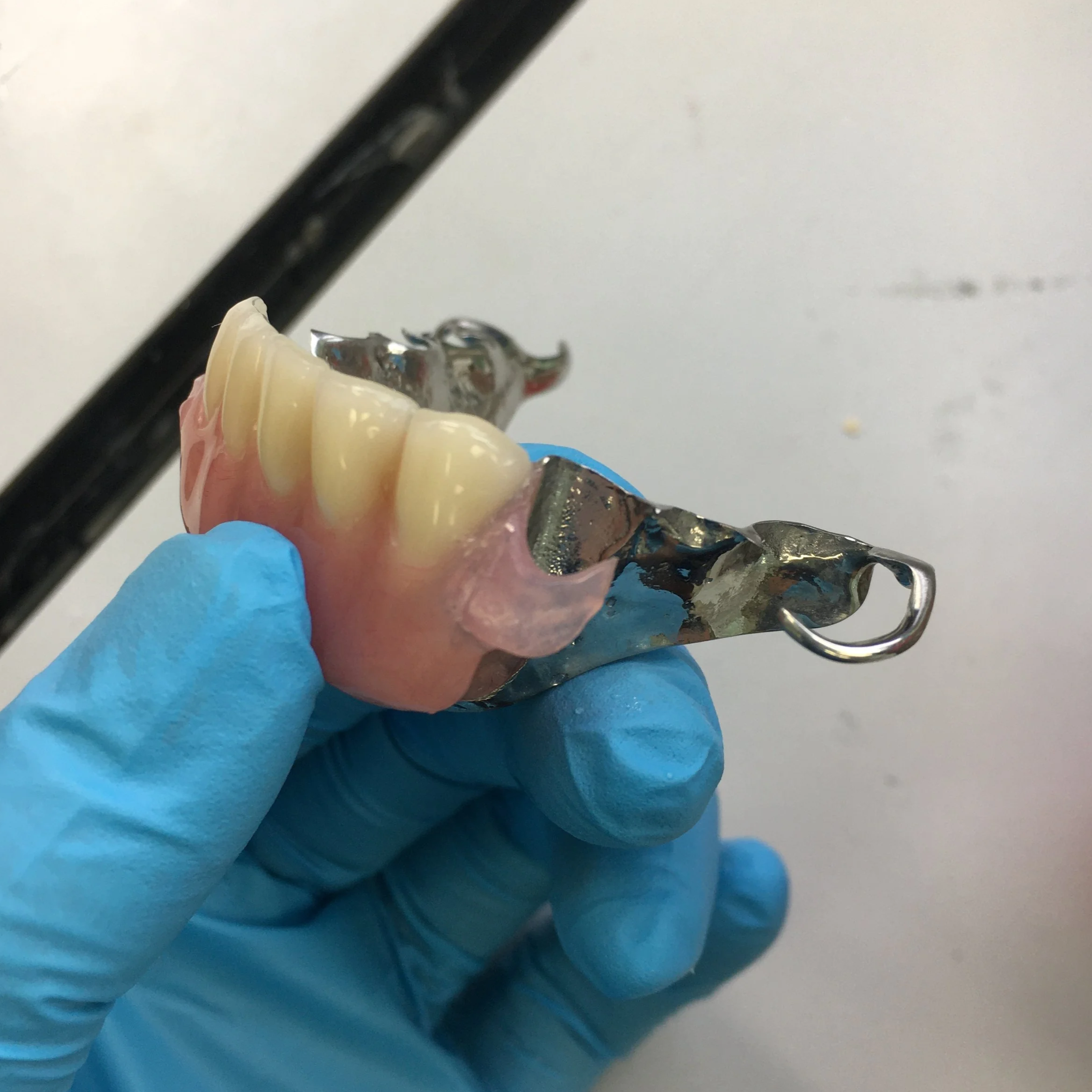
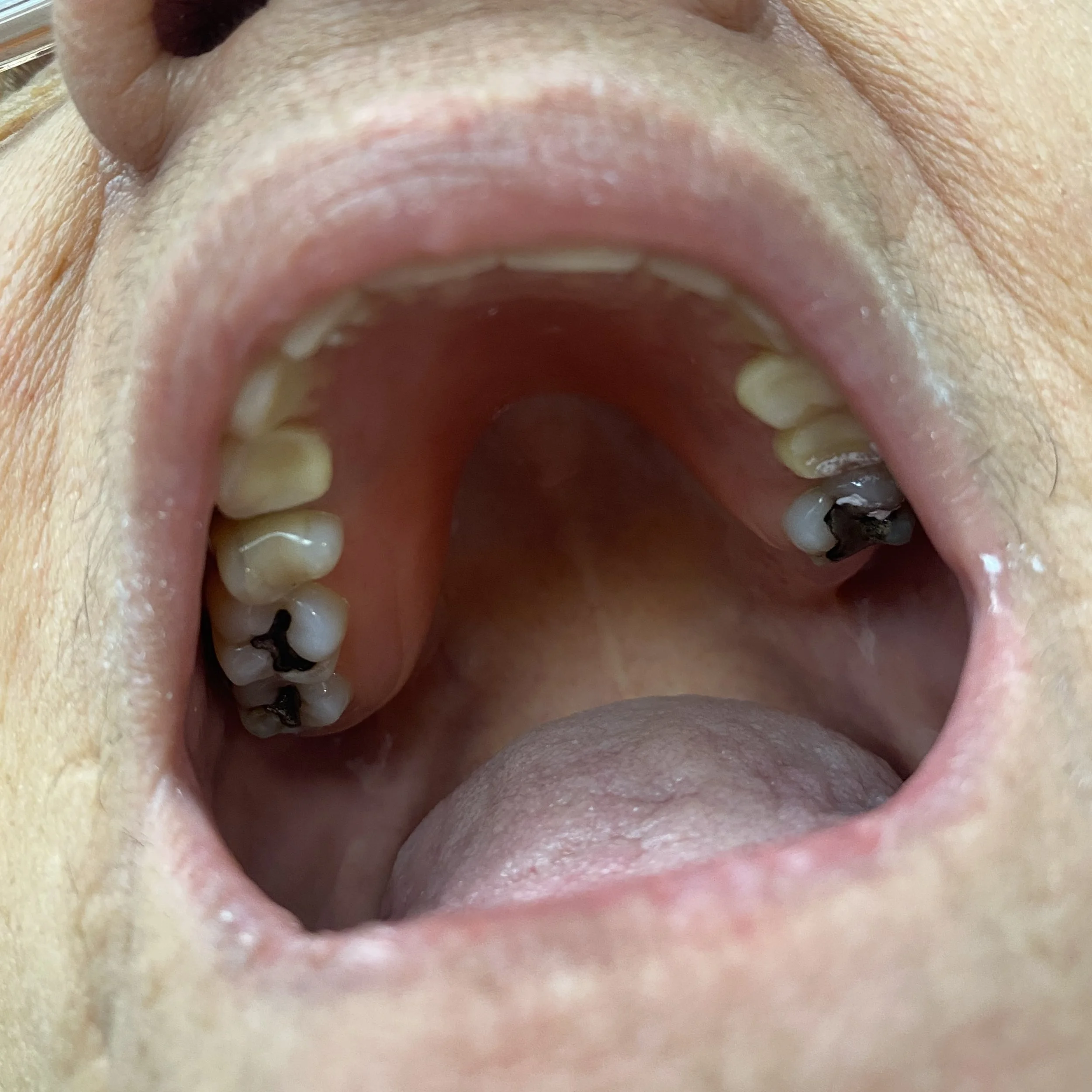
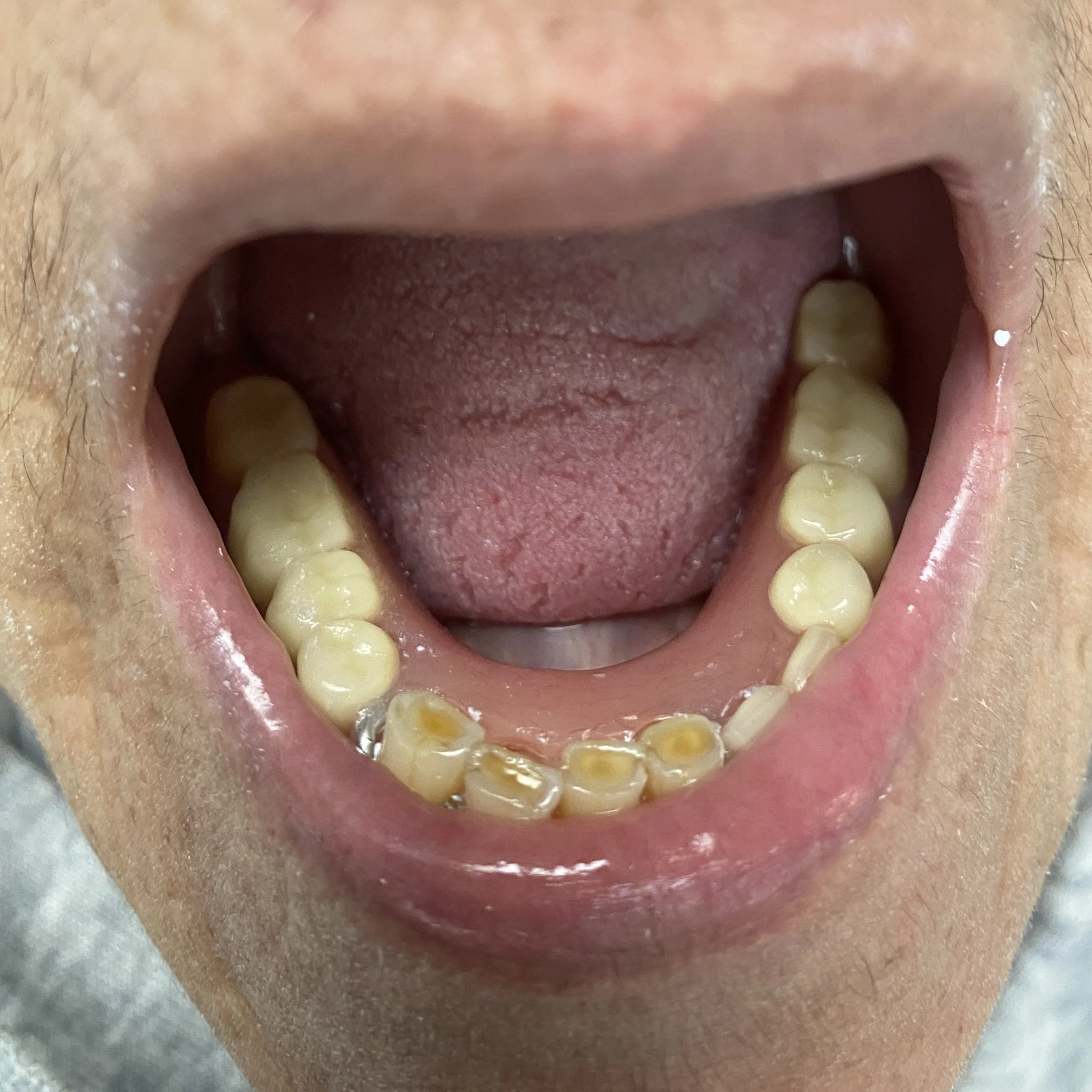
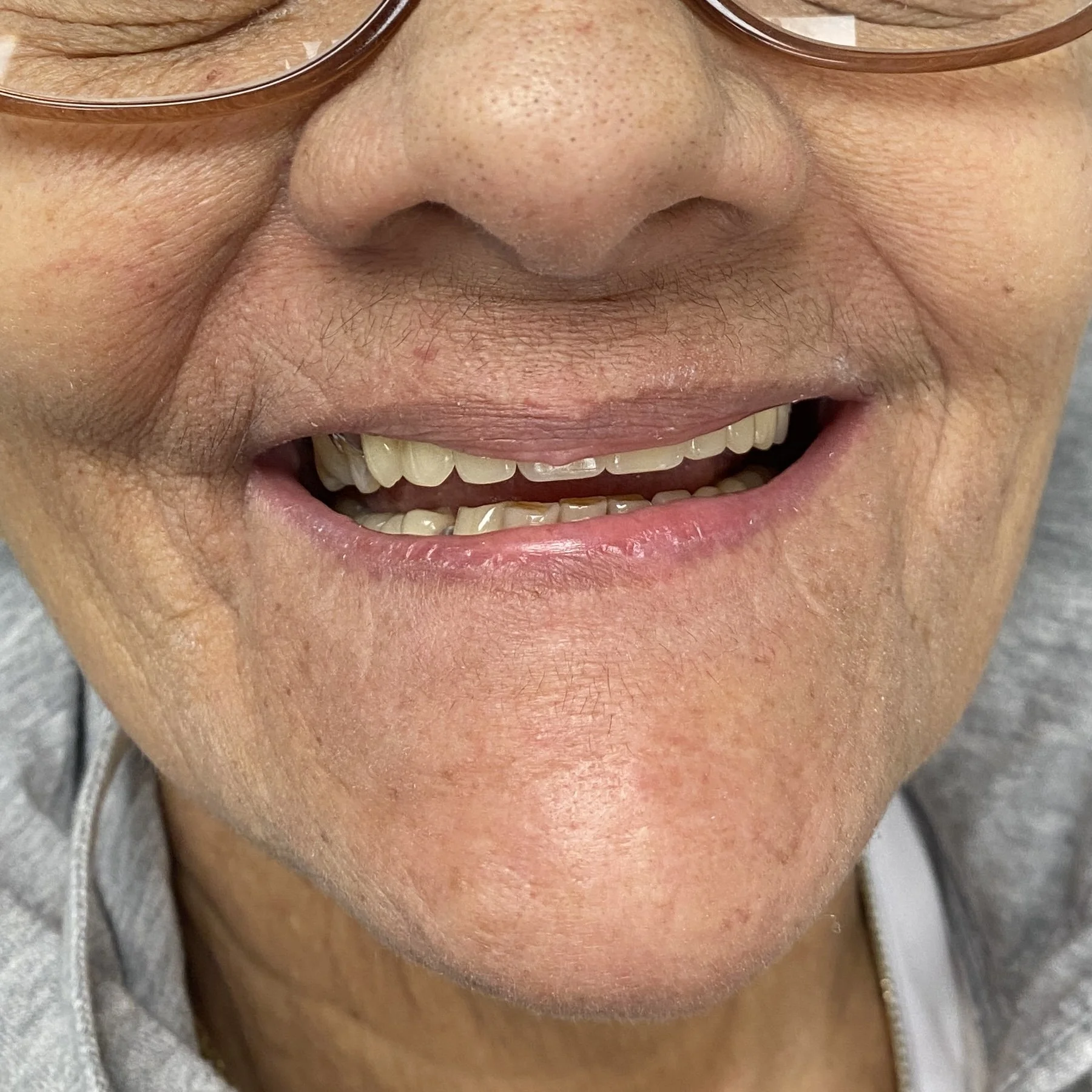
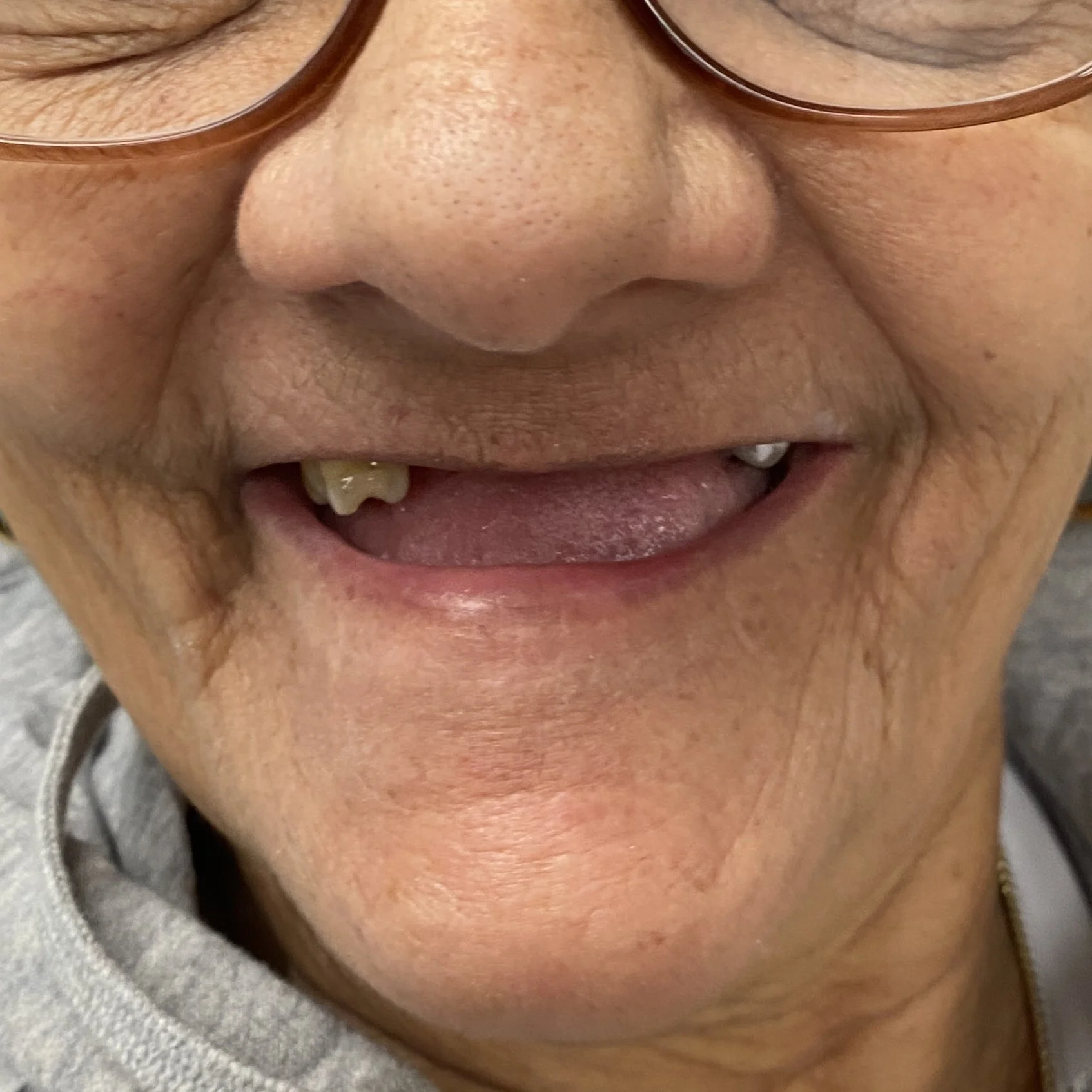
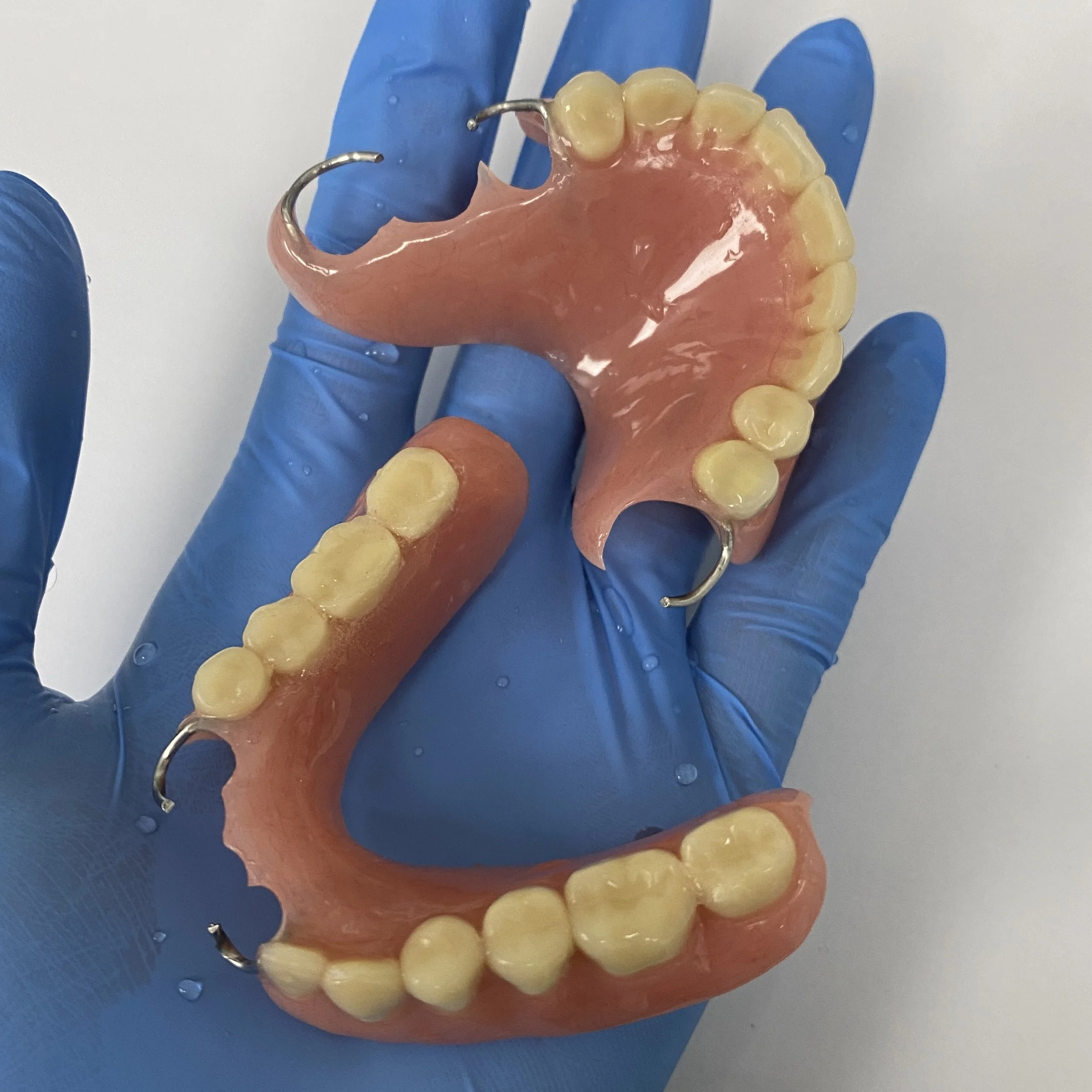
An acrylic partial denture is a removable denture designed to replace one or more missing teeth. While it may look similar to a cast partial denture in before-and-after photos, the main difference is that it does not contain a metal framework. Instead, the denture is made entirely of acrylic (plastic) with metal clasps that attach to the natural teeth to help secure it in place.
Because it does not have a metal framework, it is not as strong as a cast partial denture and therefore must be made thicker to ensure durability. For this reason, an acrylic partial denture is often recommended as a short-term or more economical solution for replacing missing teeth, while planning for a more permanent option such as a cast partial denture or dental implants.
Flexible Partial Denture
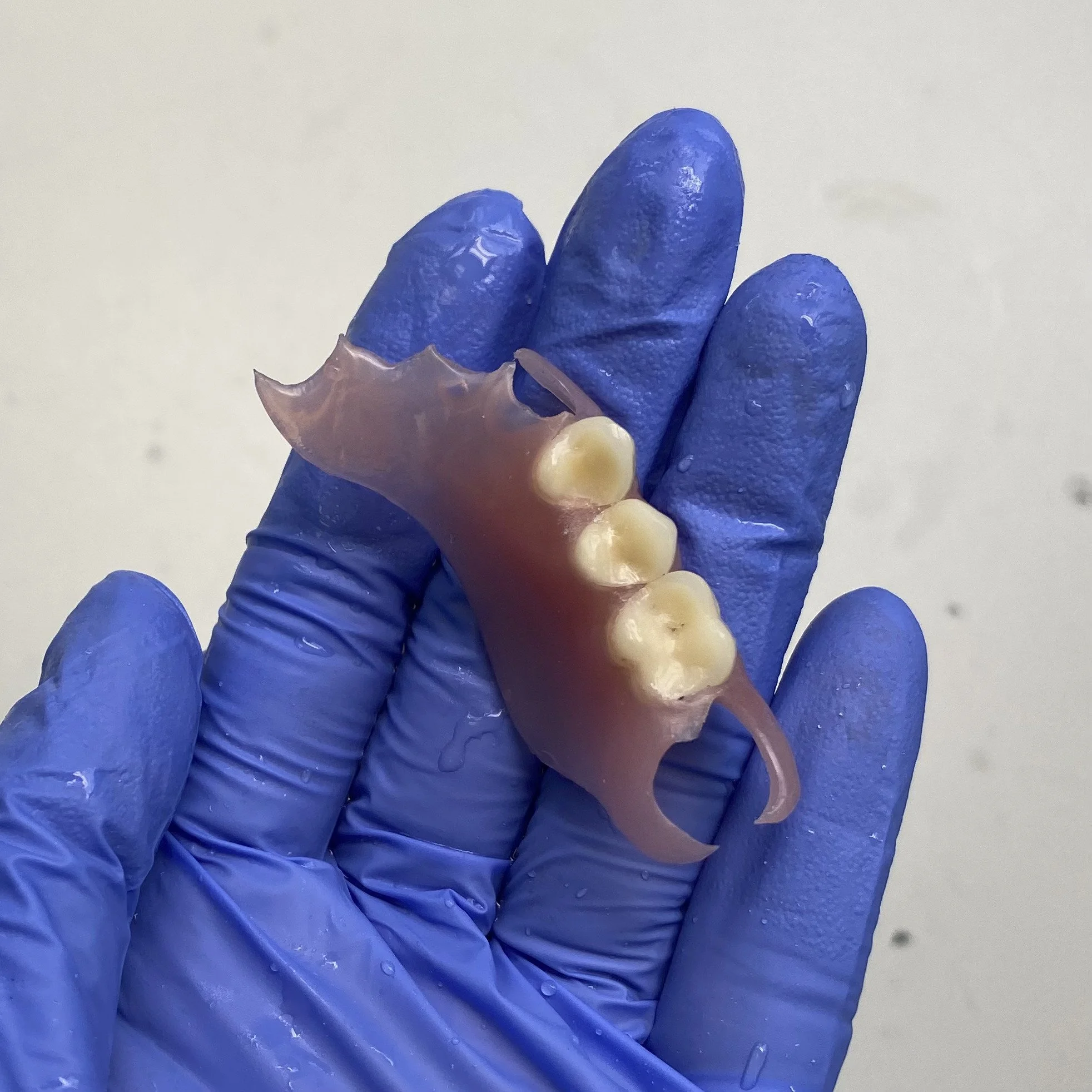
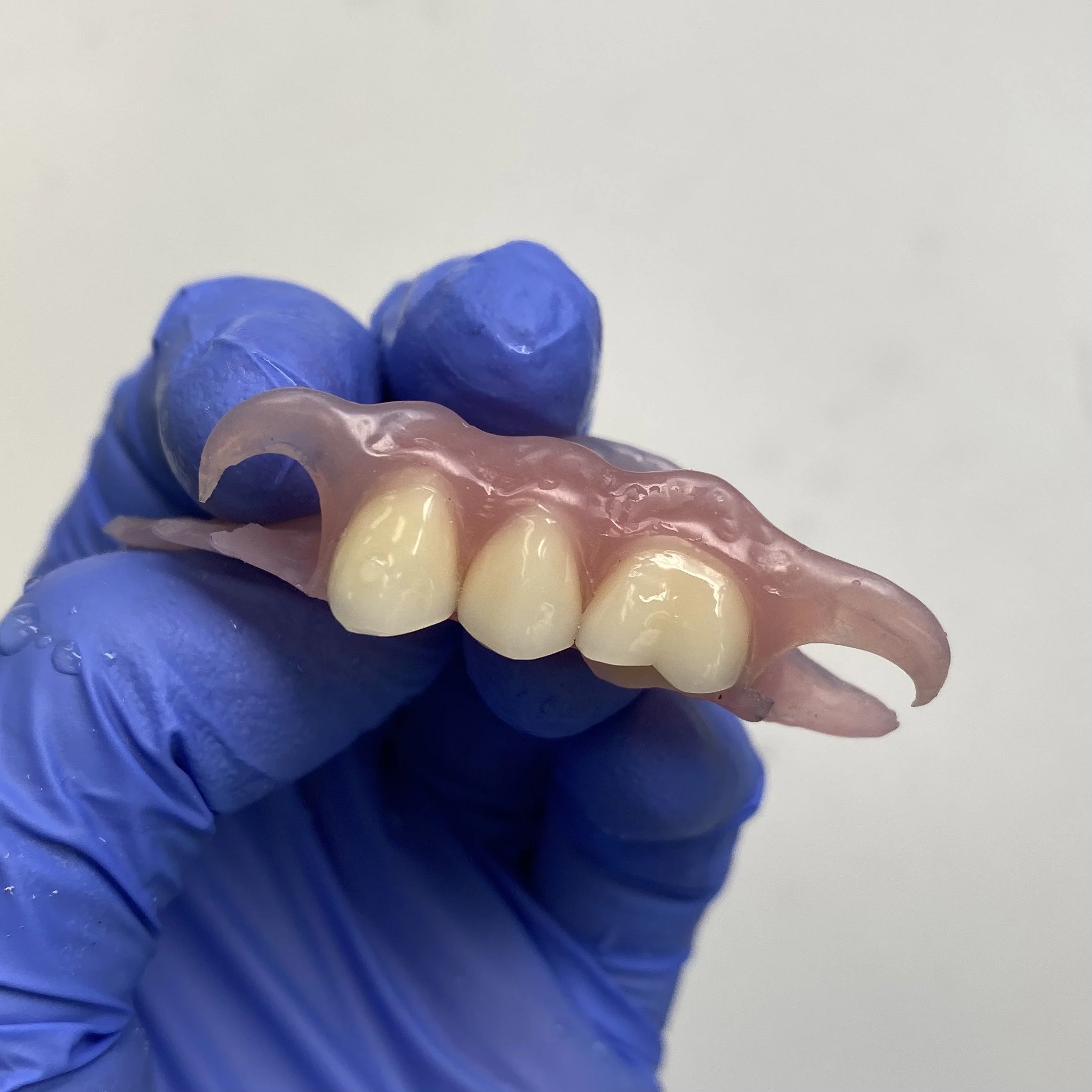
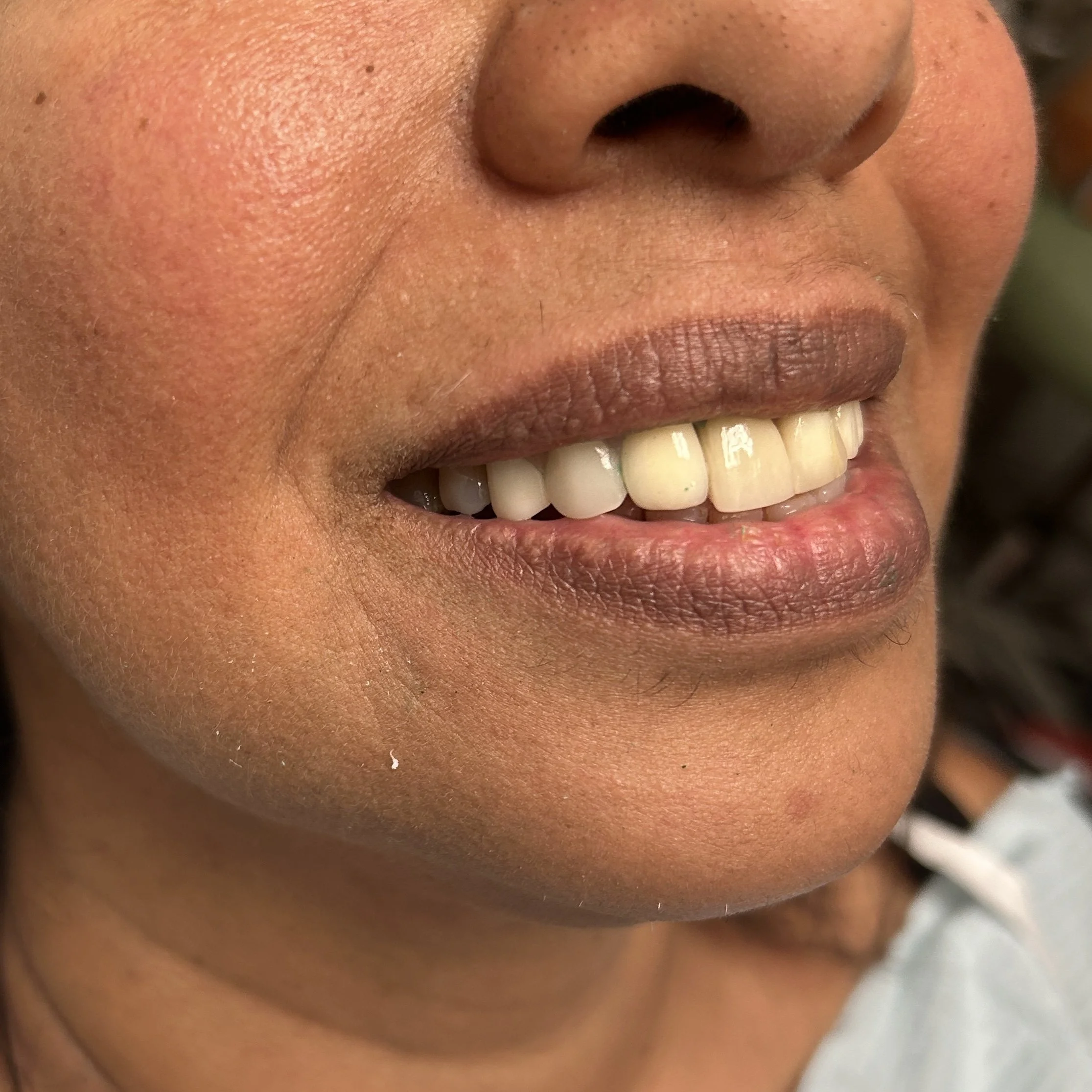
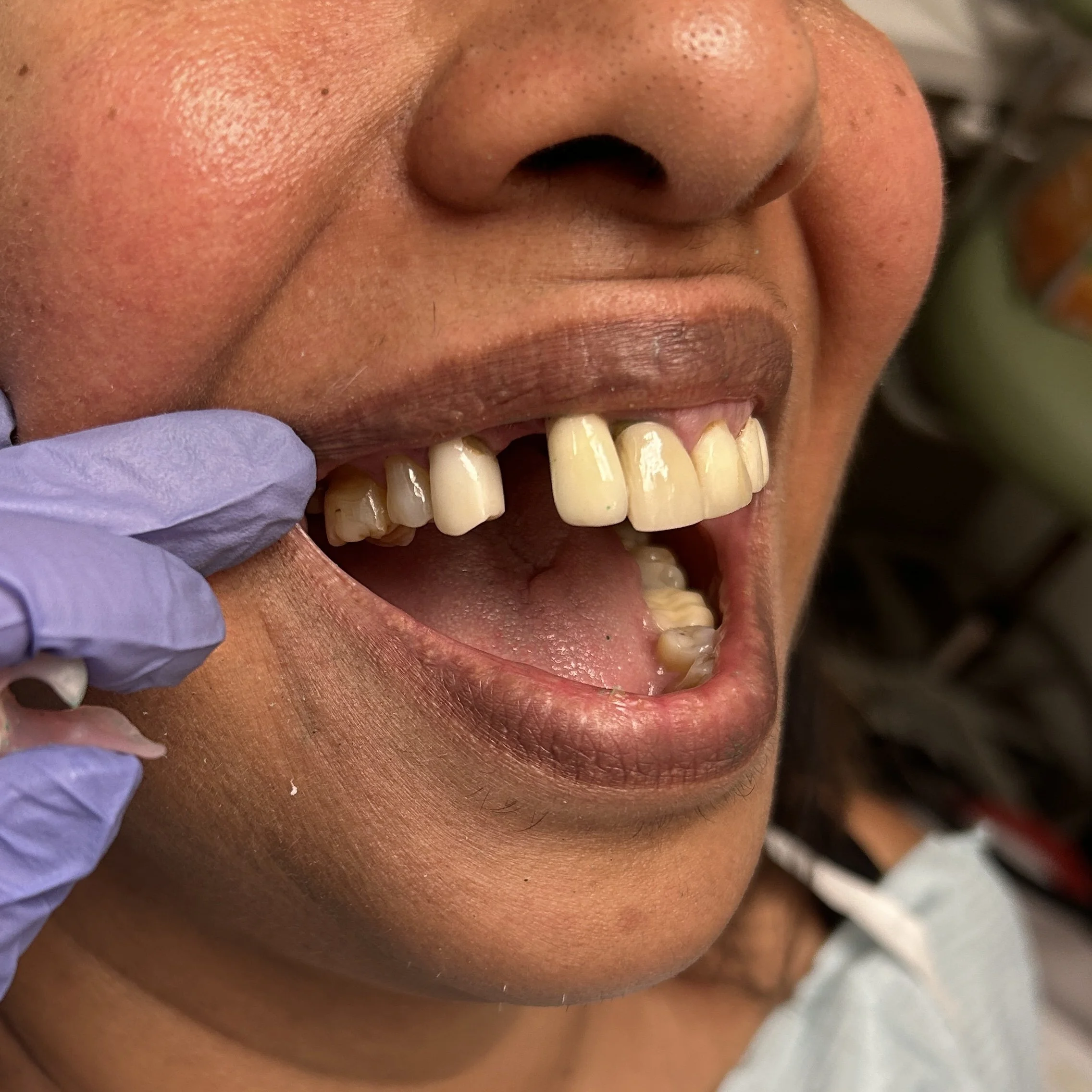
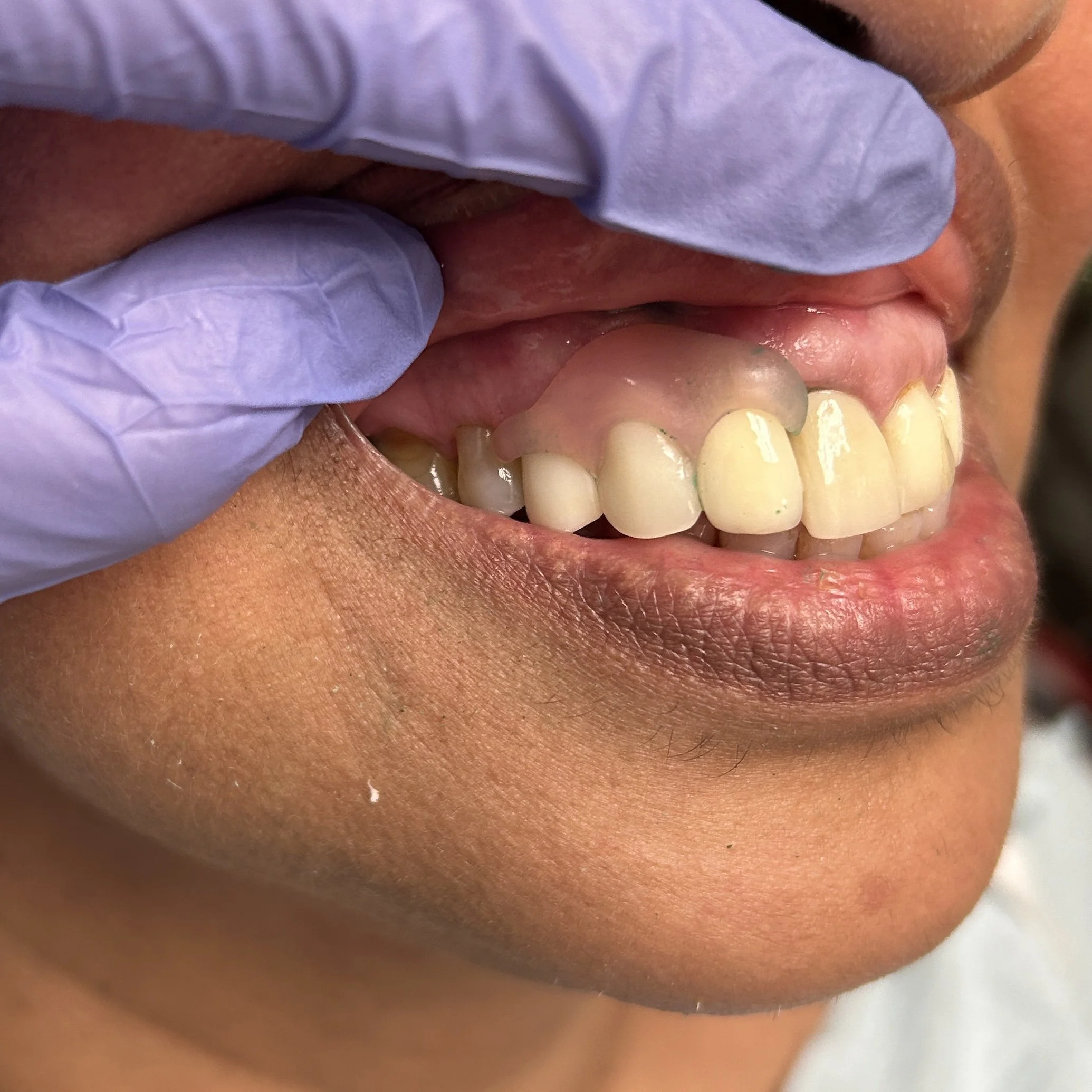
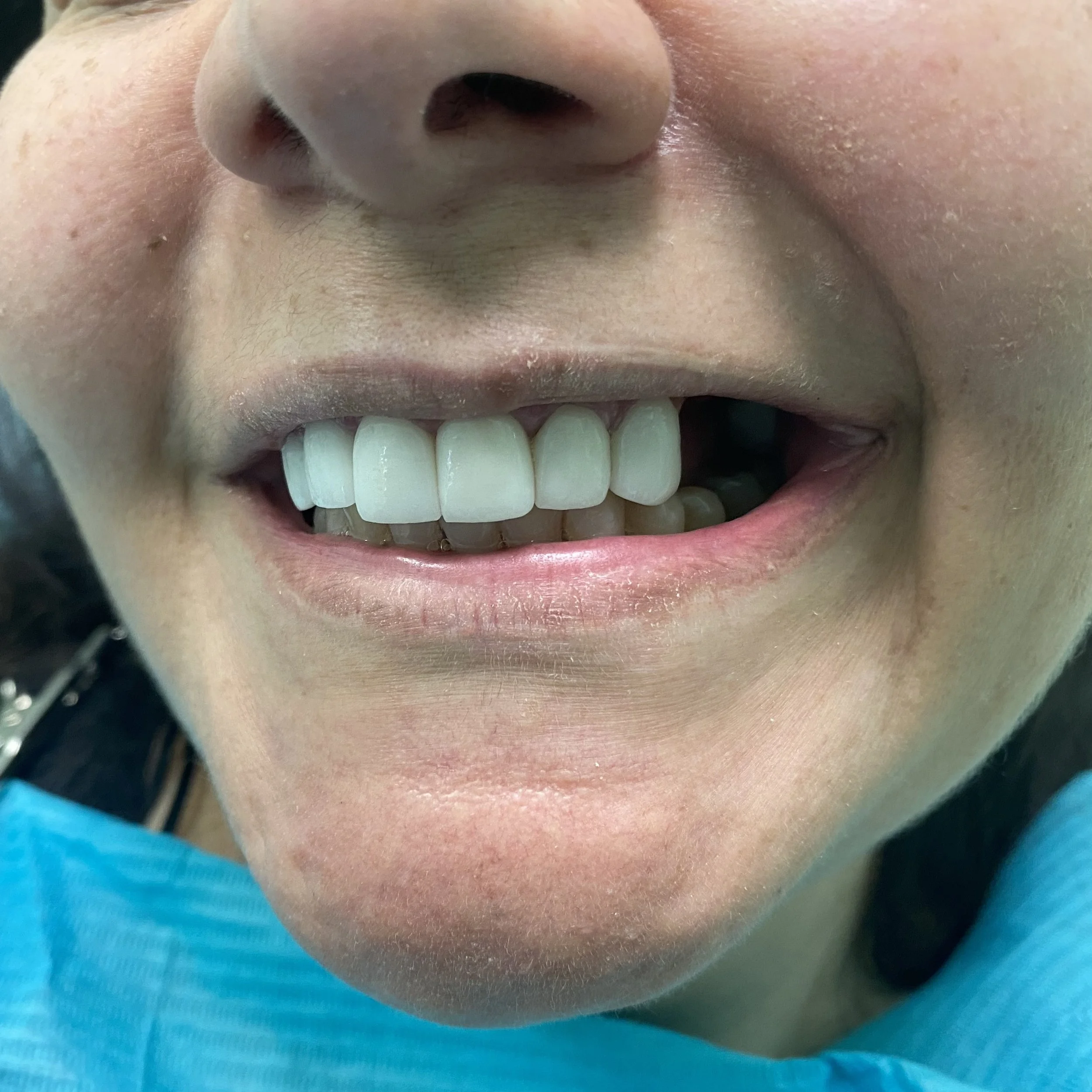
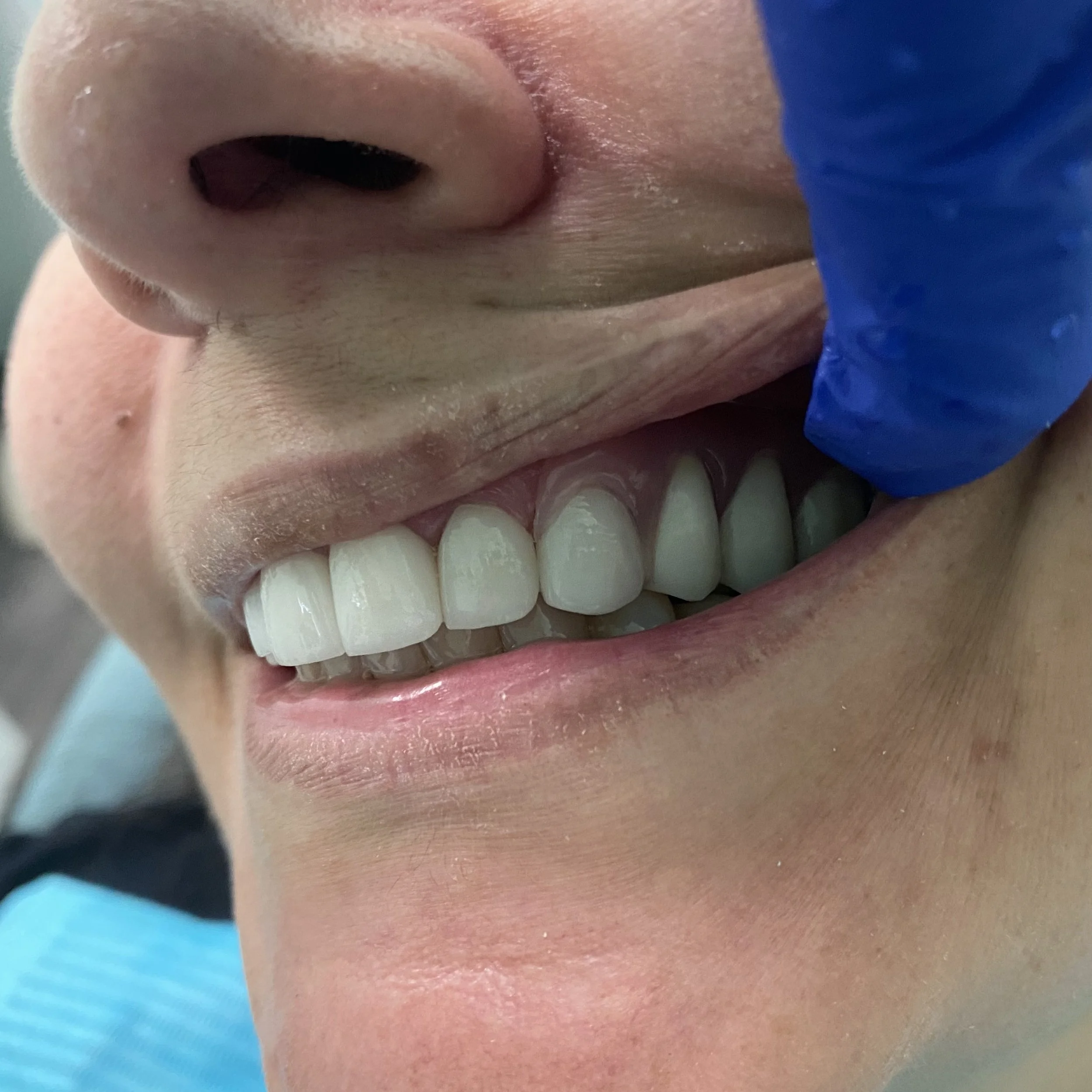
A flexible partial denture is best suited for patients who are missing only a few teeth, while the remaining natural teeth are healthy and in good condition. It is made from a flexible nylon material and does not contain metal, making it an attractive and highly esthetic option.
Because there is no metal framework, the denture blends naturally with the appearance of the mouth. The flexible material allows for a snug, lightweight, and comfortable fit, often making the denture more minimal in design. It is created with discreet pink clasps that gently grip the teeth in front of and behind the missing space, helping to secure the denture in place while maintaining a natural look.
Complete Denture
A complete denture is designed for patients who have lost all their natural teeth in an arch. Since there are no remaining teeth to support the denture with clasps or hooks, stability depends entirely on the fit and design of the appliance.
A carefully taken, detailed final impression of your mouth is essential in creating a well-fitting denture. Capturing the exact shape of the gums and surrounding tissues allows the denture to be made to the correct size and contour. This precise fit helps promote stability and natural suction, which are important factors in comfort and function.
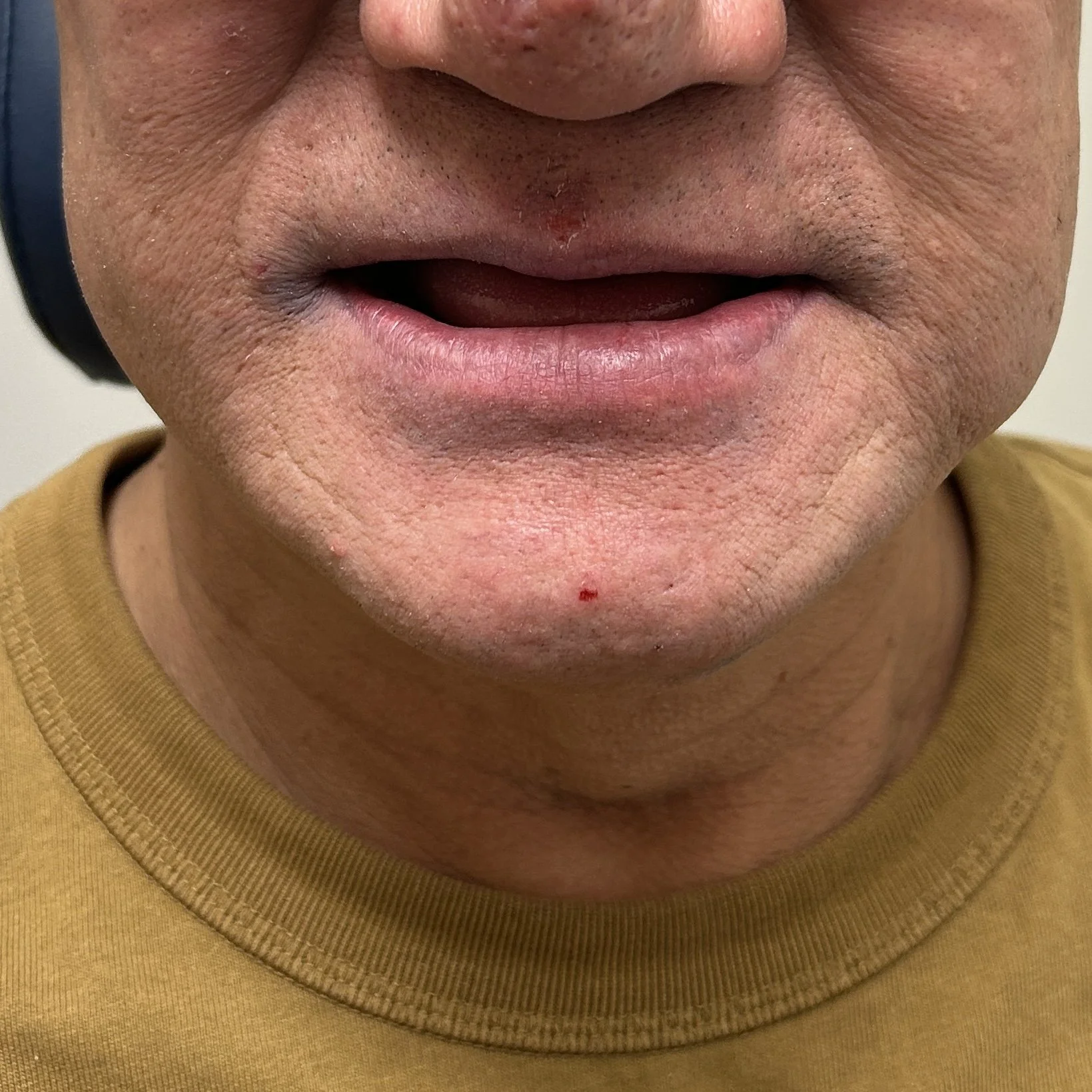
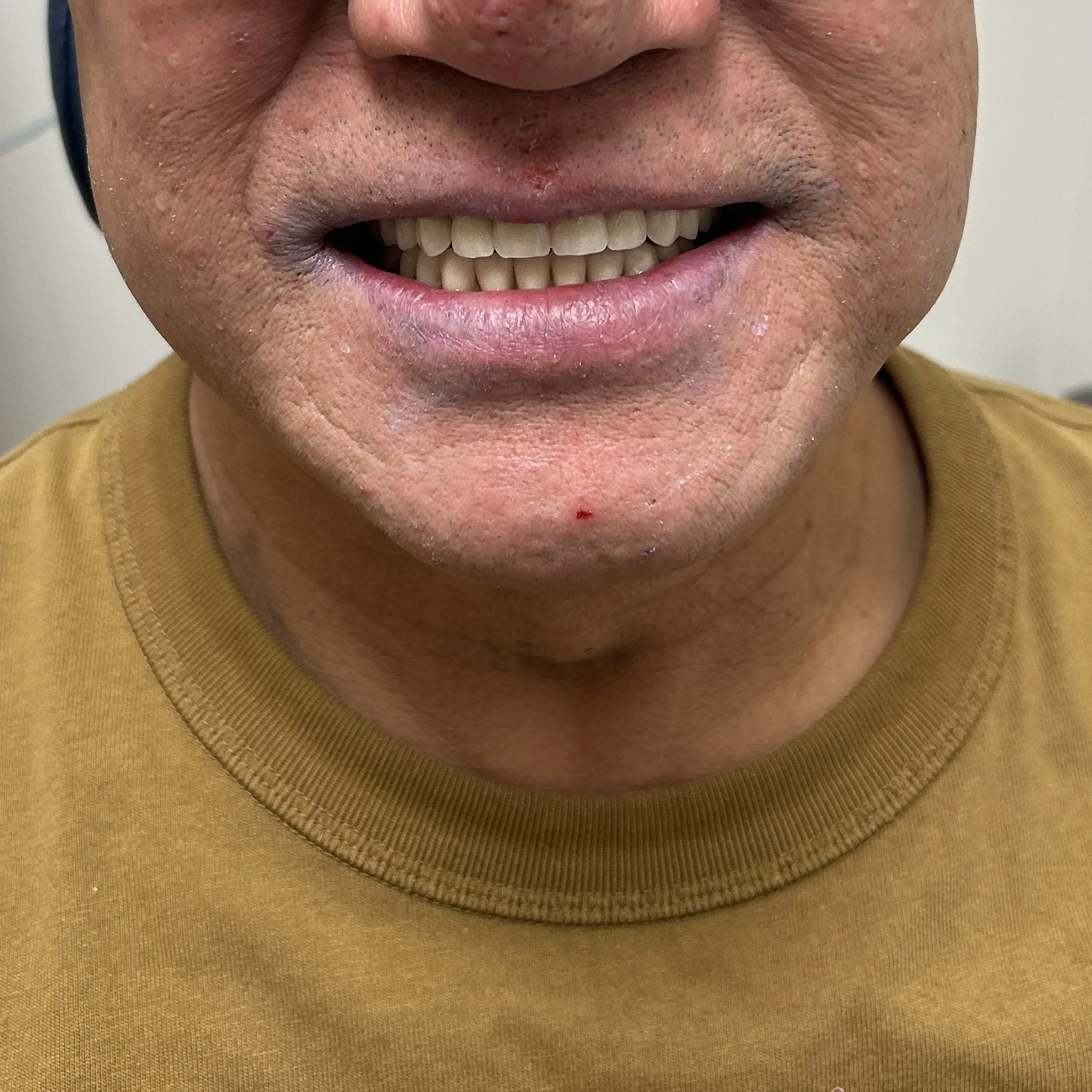
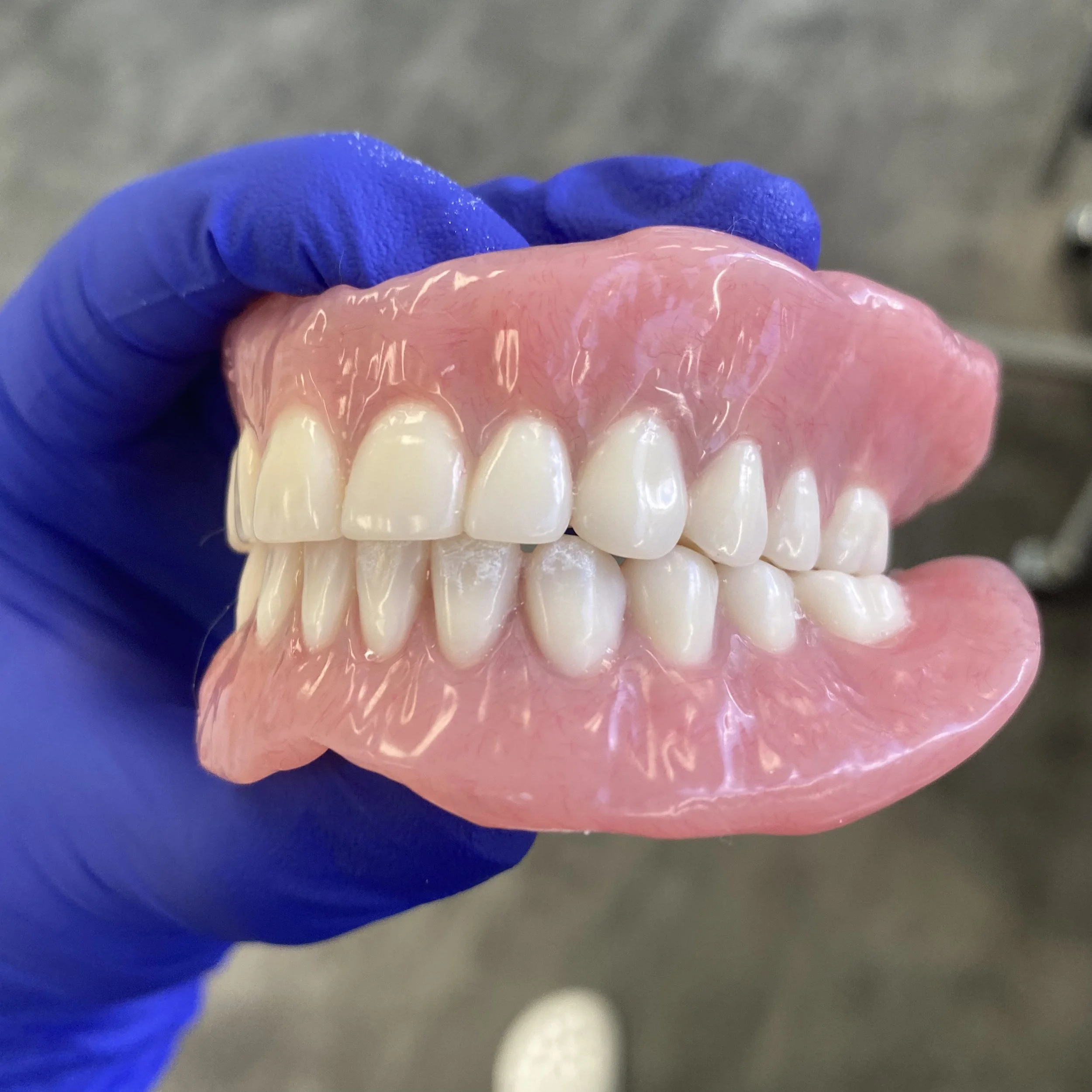
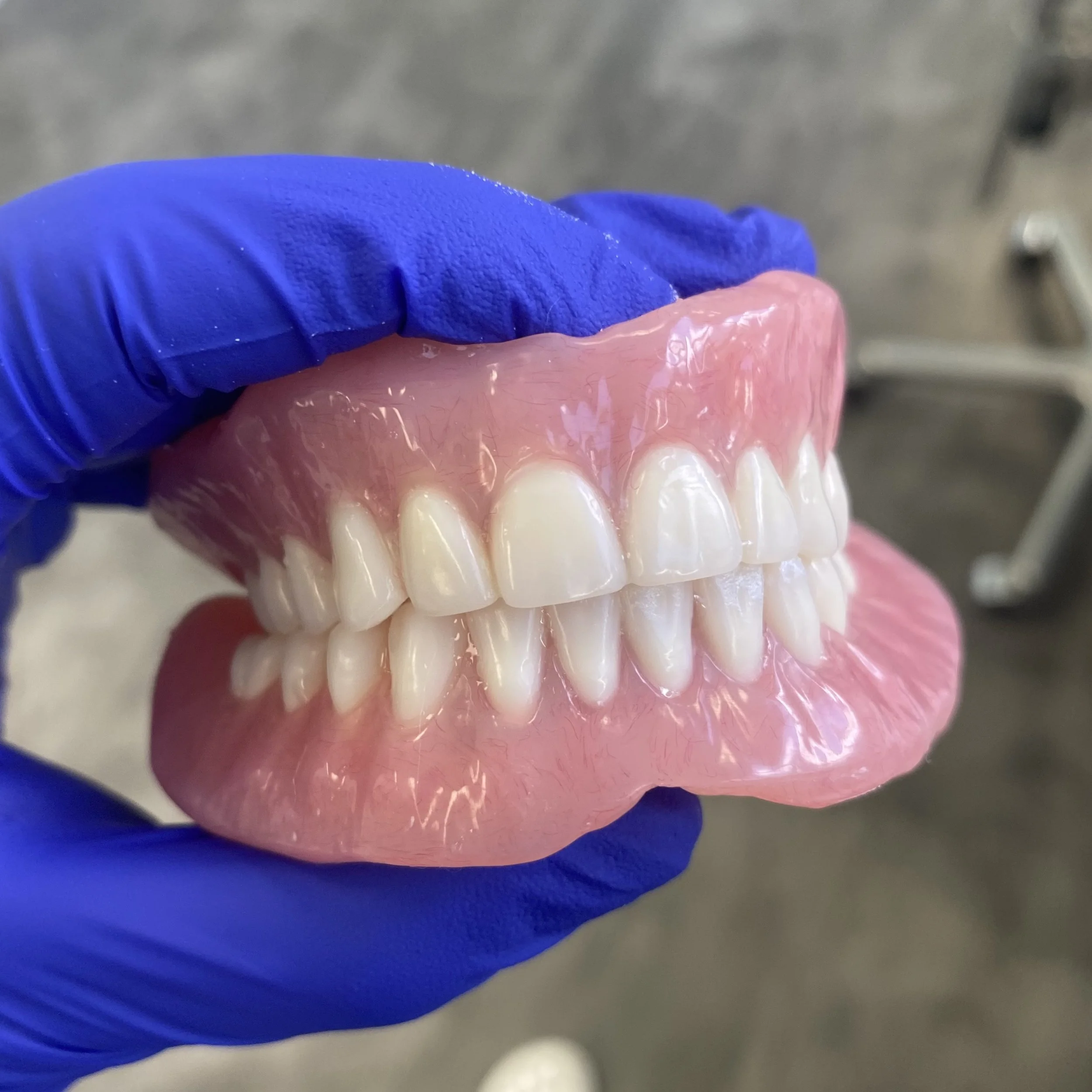
Mandibular Suction-Effective Denture
Every patient’s oral anatomy is unique, and suction levels may vary depending on individual factors. Proper treatment planning, high-quality materials, and accurate impressions are essential in achieving the best possible results.
Implant-Supported Dentures
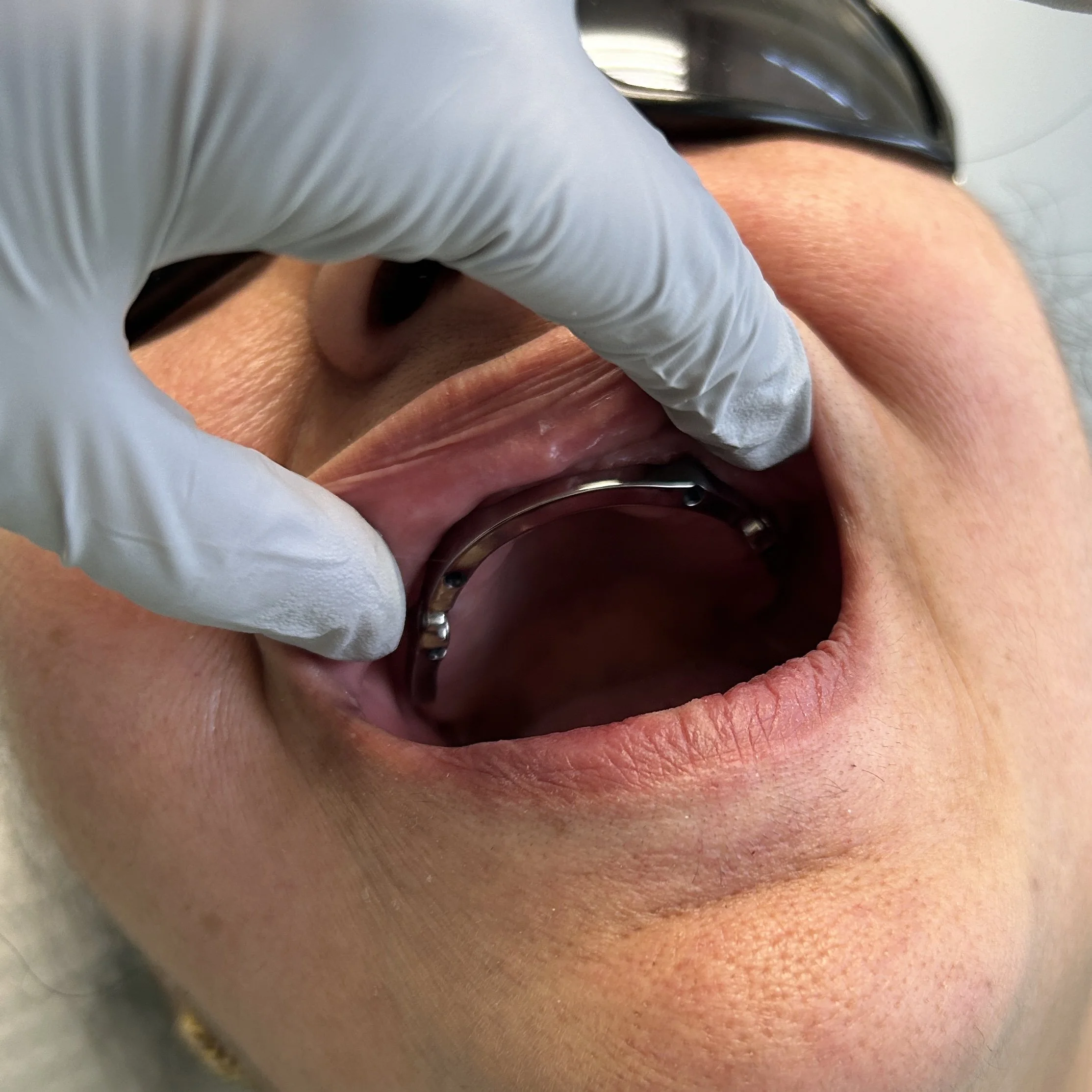
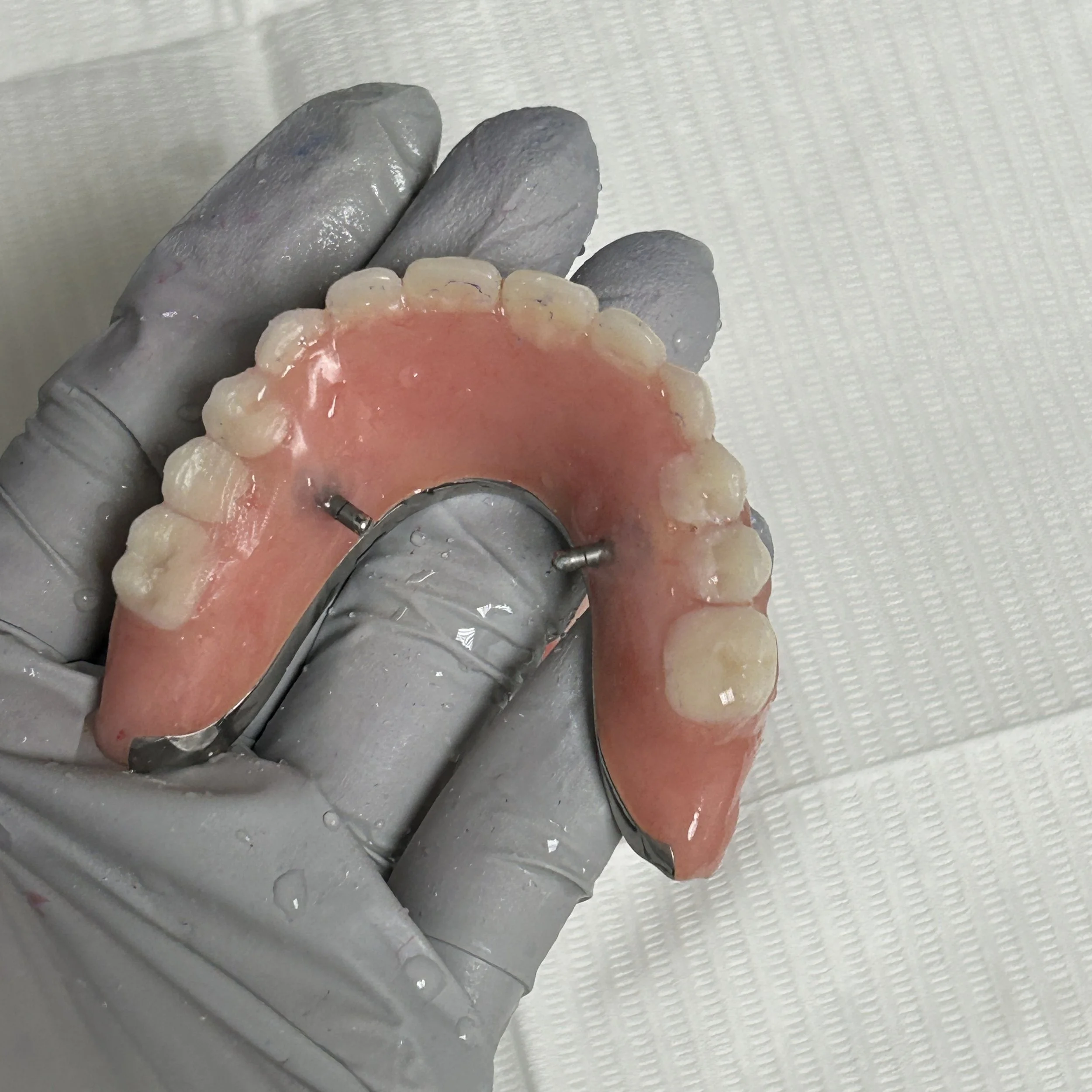
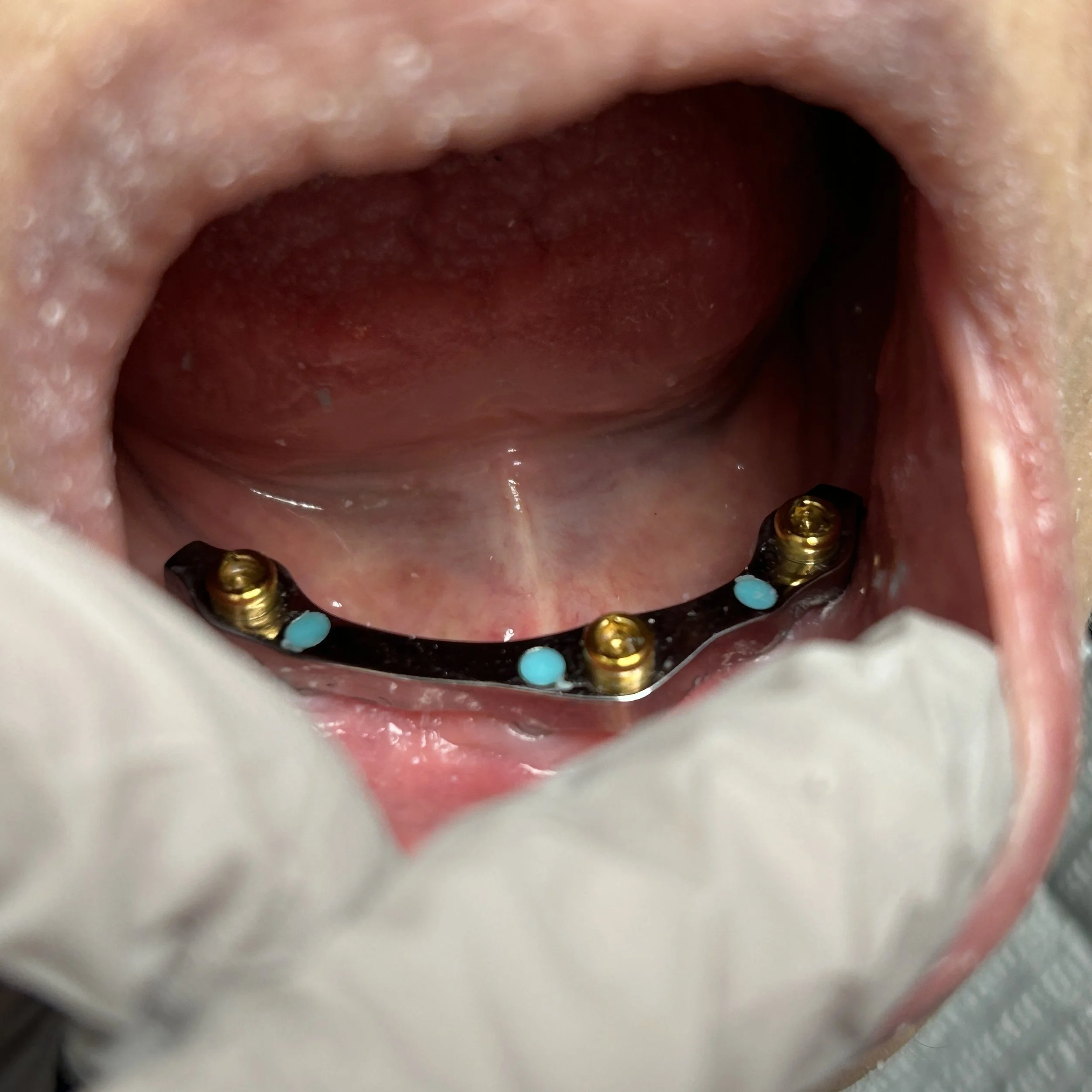
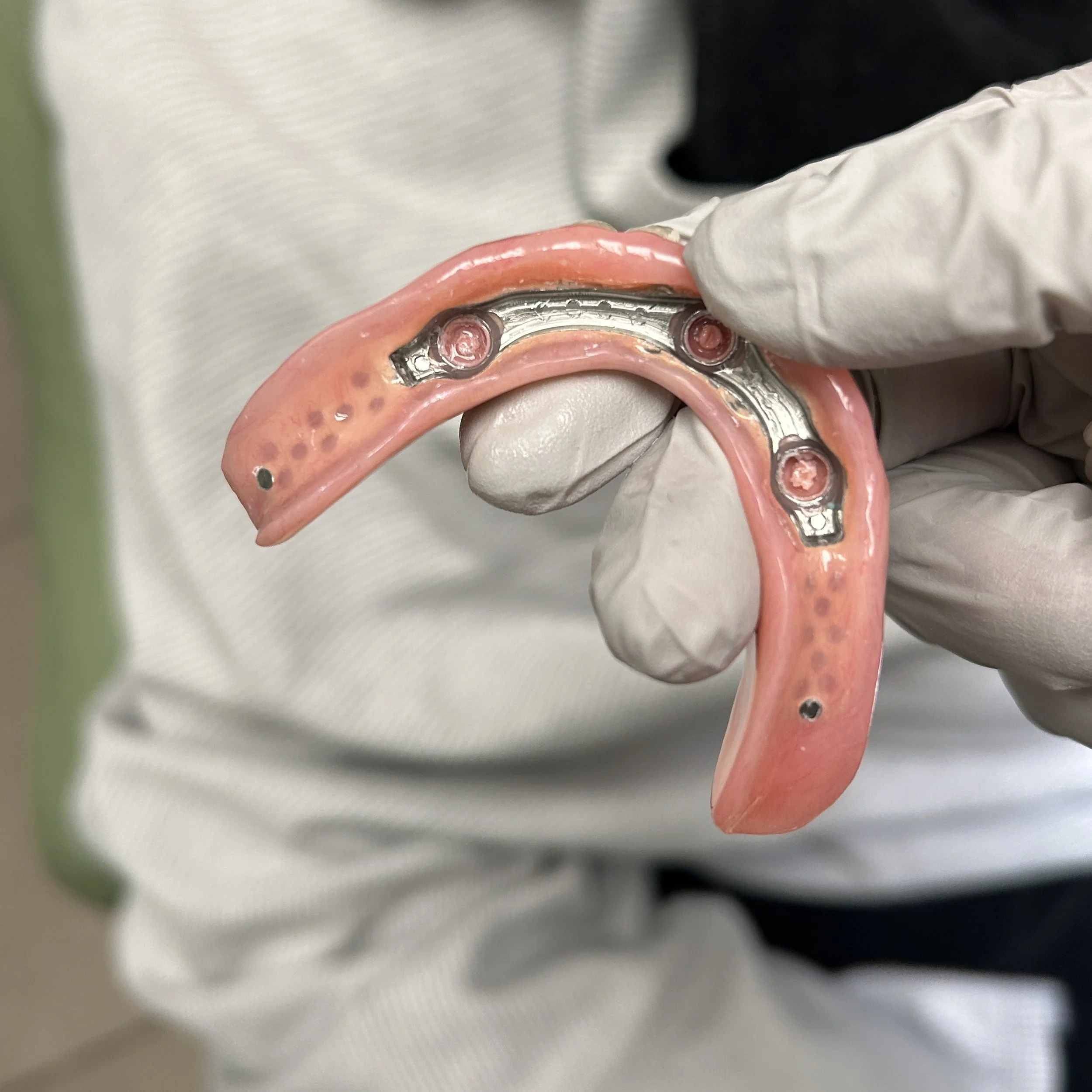
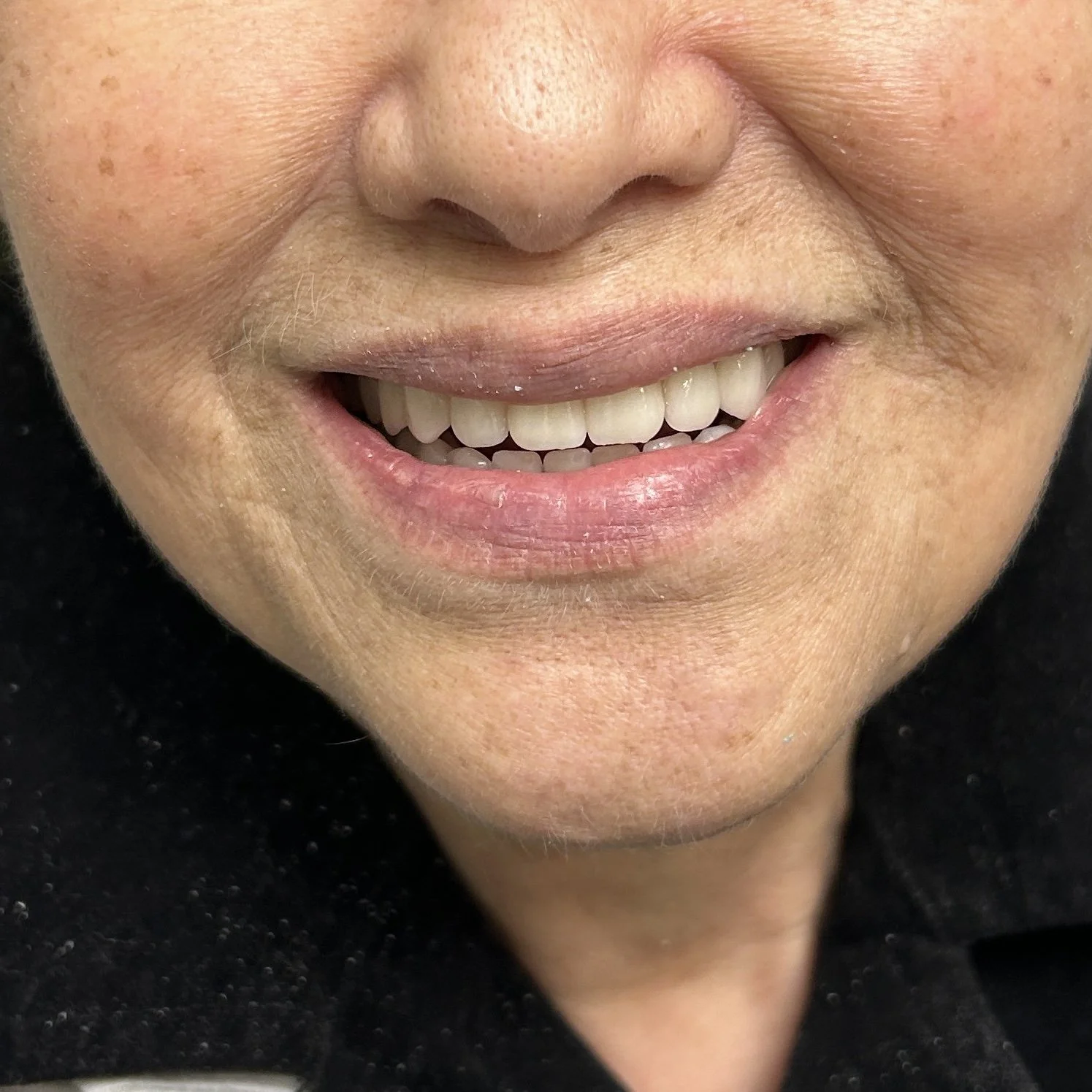
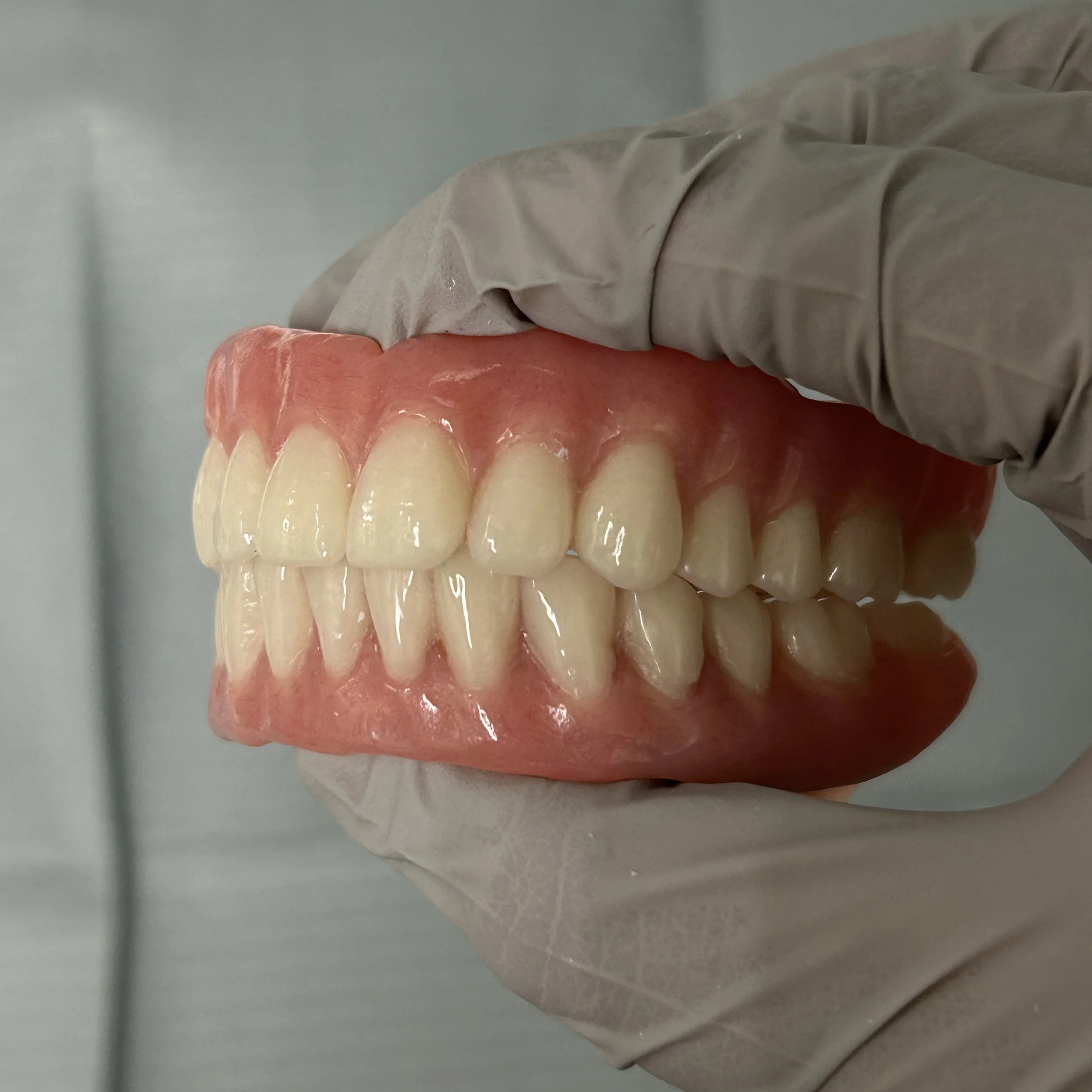
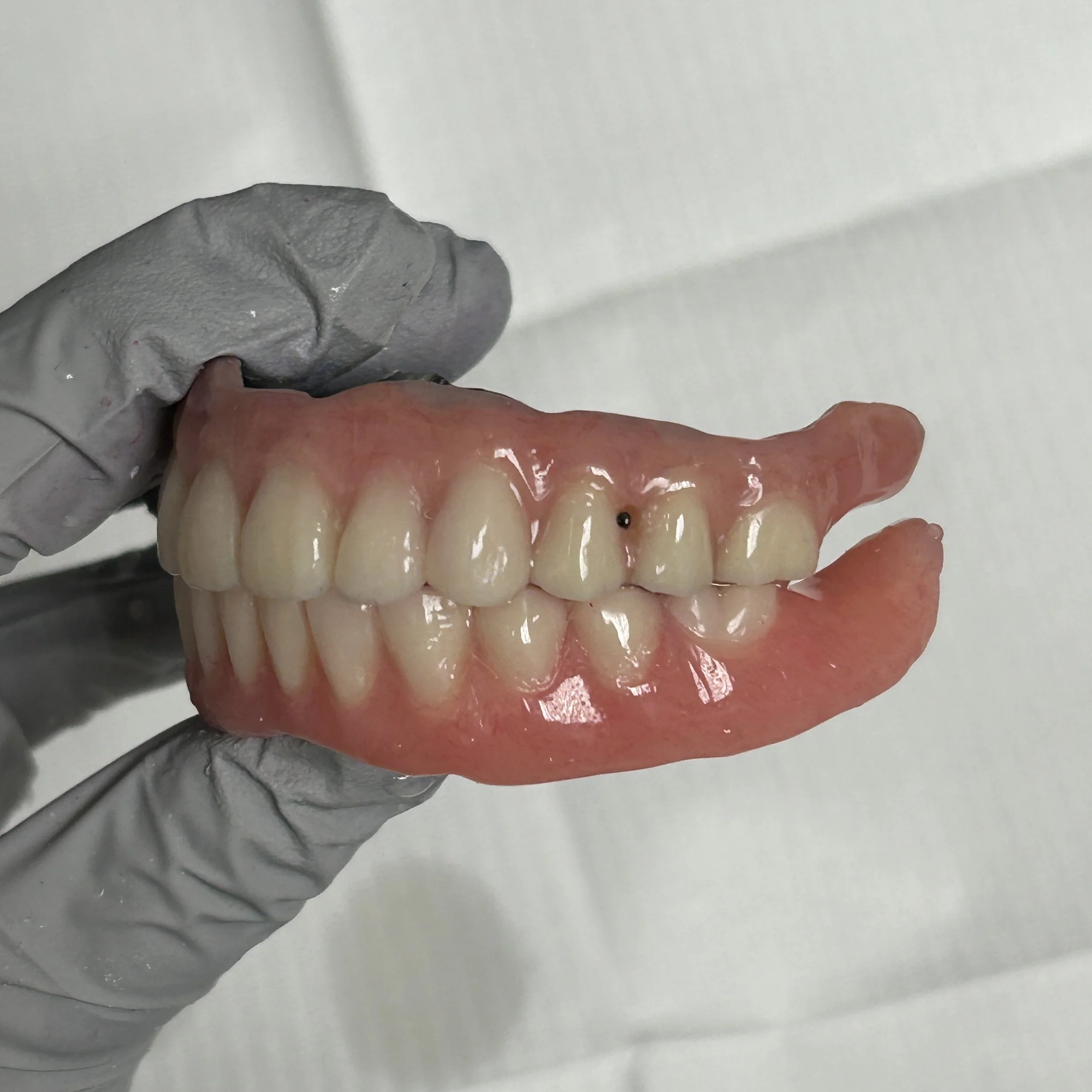
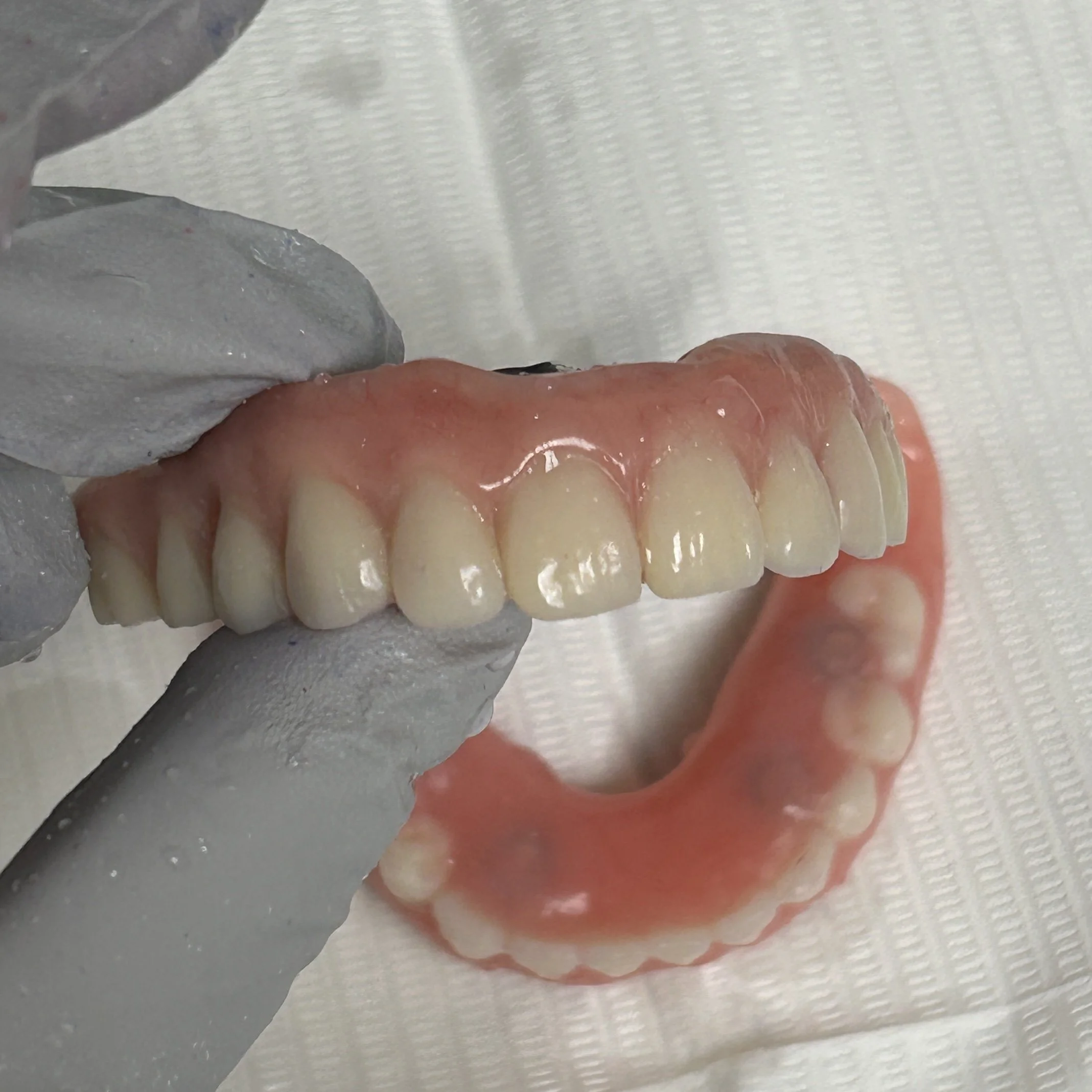
An implant-supported denture is a type of removable (or sometimes fixed) denture that is securely held in place using dental implants placed in the jawbone.
Unlike traditional dentures that sit on the gums, implant-supported dentures clips onto implants, providing much better stability, comfort, and chewing ability. This means they are less likely to move or slip while eating or speaking.
They are commonly used for patients who are missing most or all teeth and want a more secure alternative to conventional dentures.
Denture Repair
Whether your denture is broken in half or a tooth needs to be added to your existing denture, many repairs can be completed the same day, depending on the complexity. We begin with a consultation to assess the denture and determine whether a repair is the best option, or if fabricating a new denture would provide a better long-term solution.
Repairs, Relines/ Rebase, Adjustments
Denture Reline/ Rebase
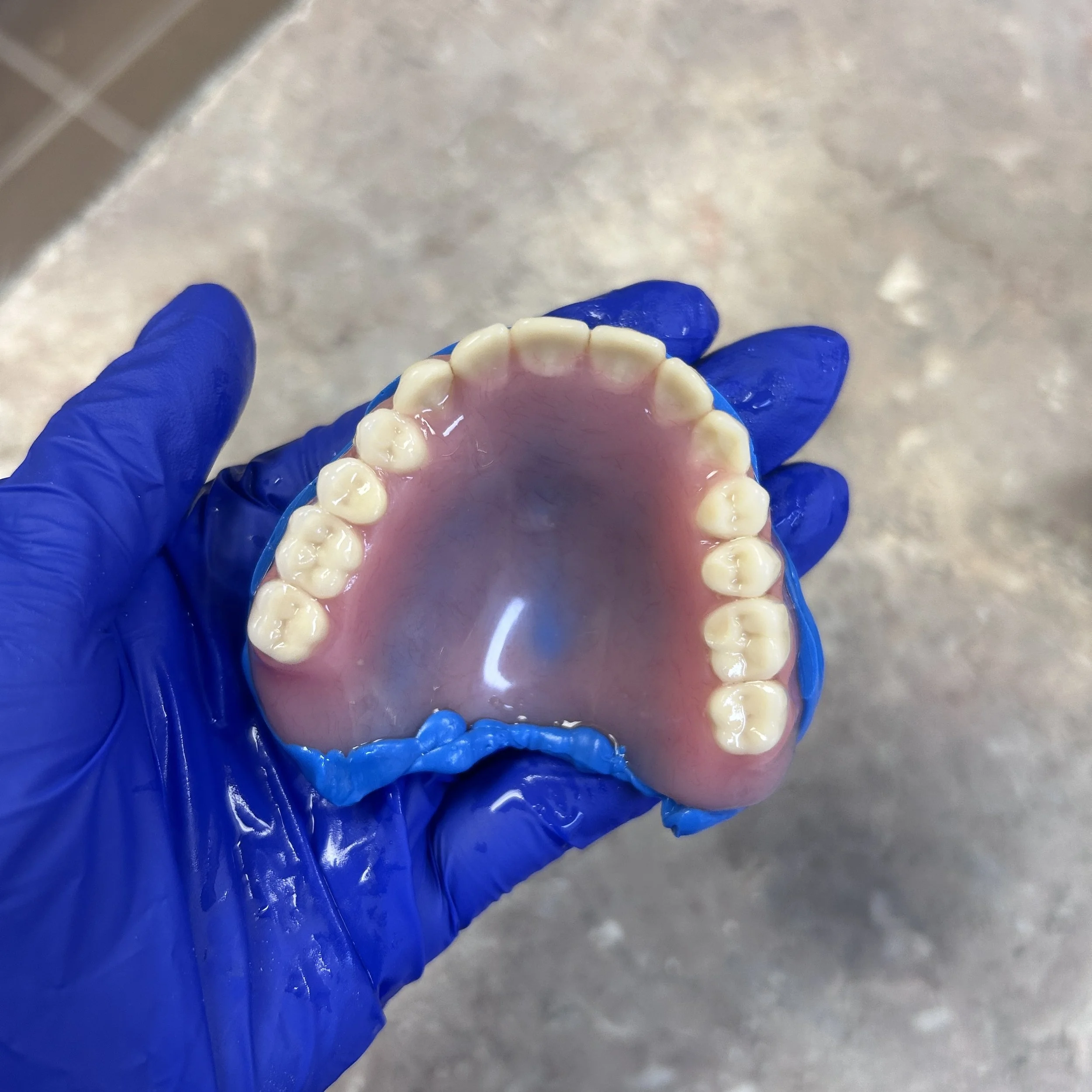
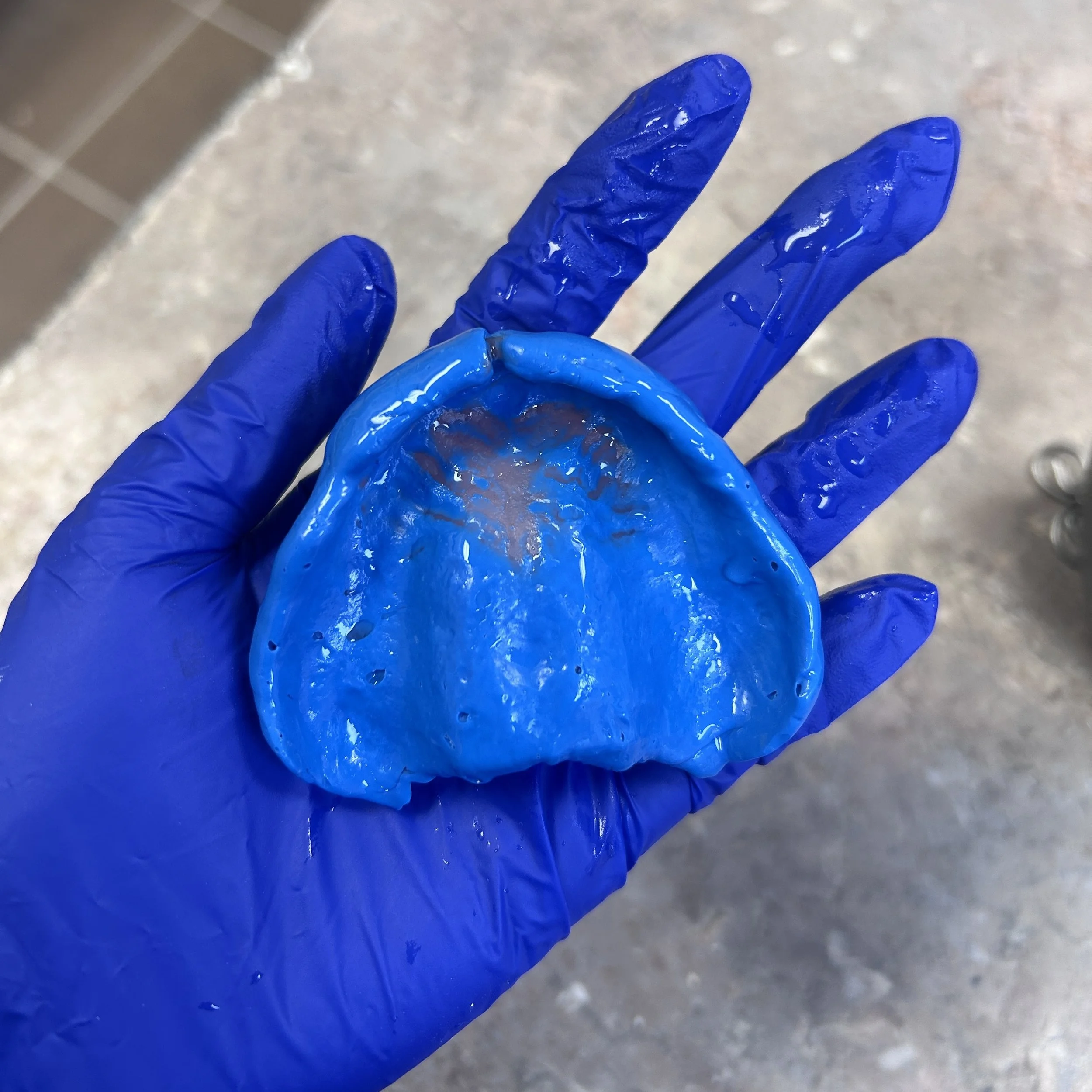
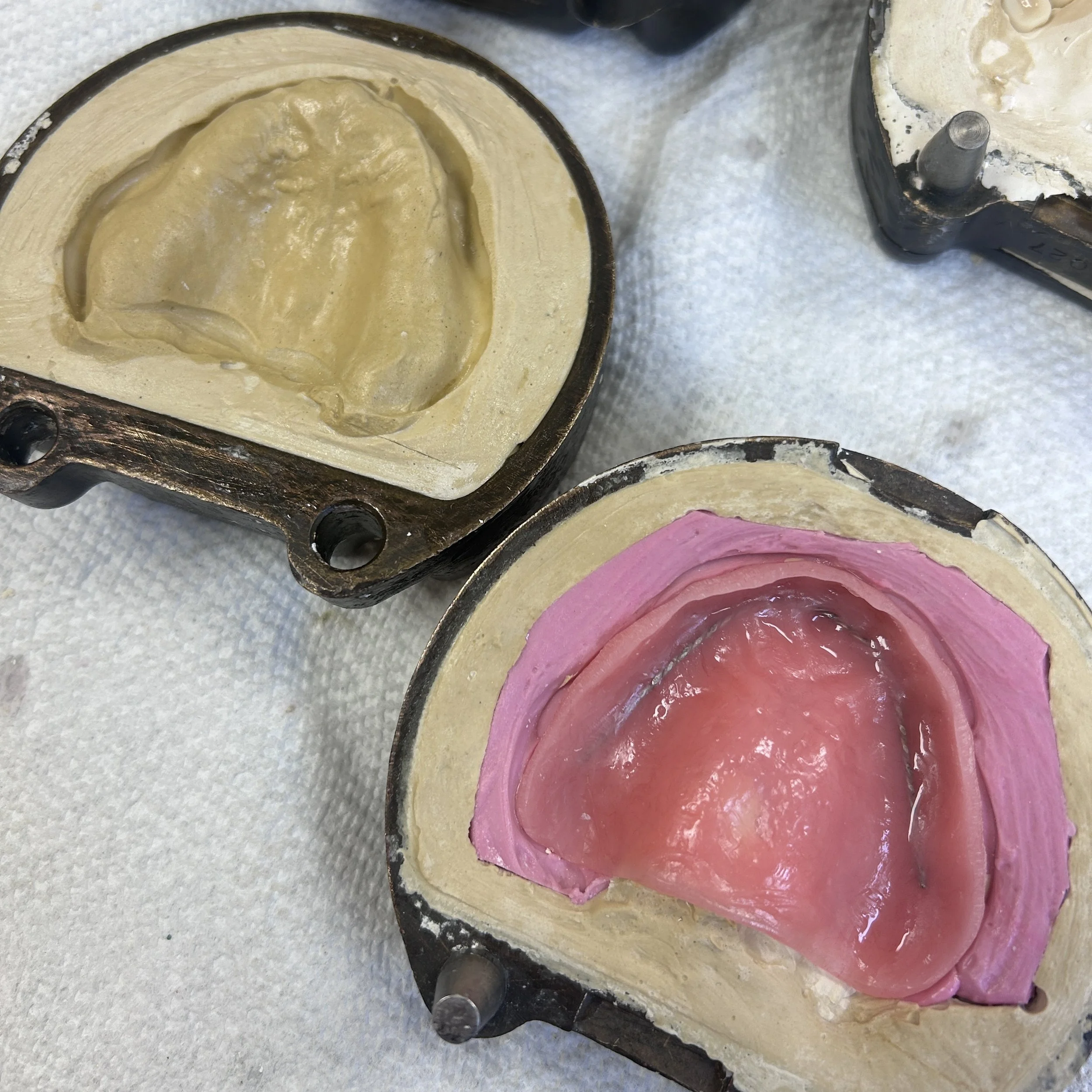
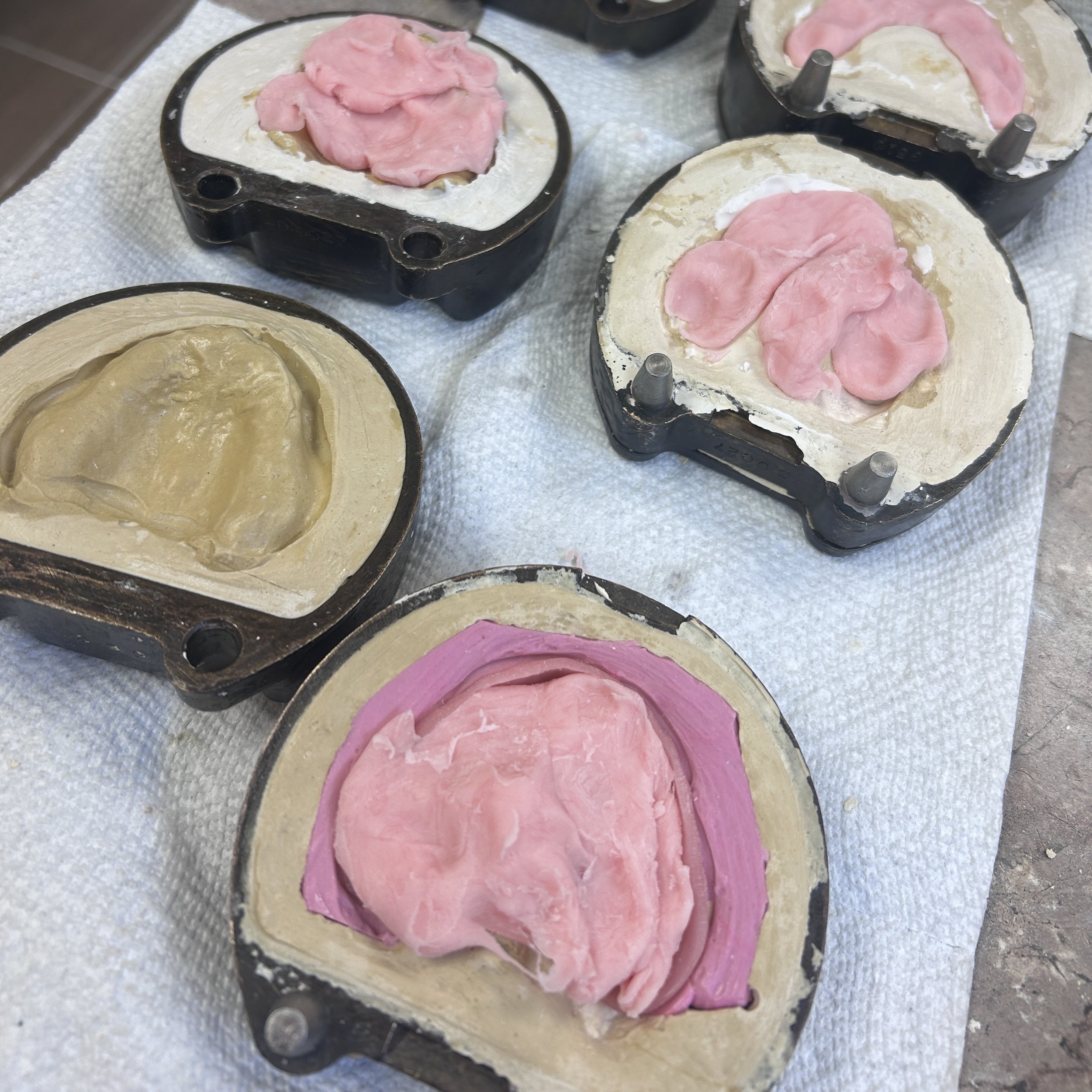
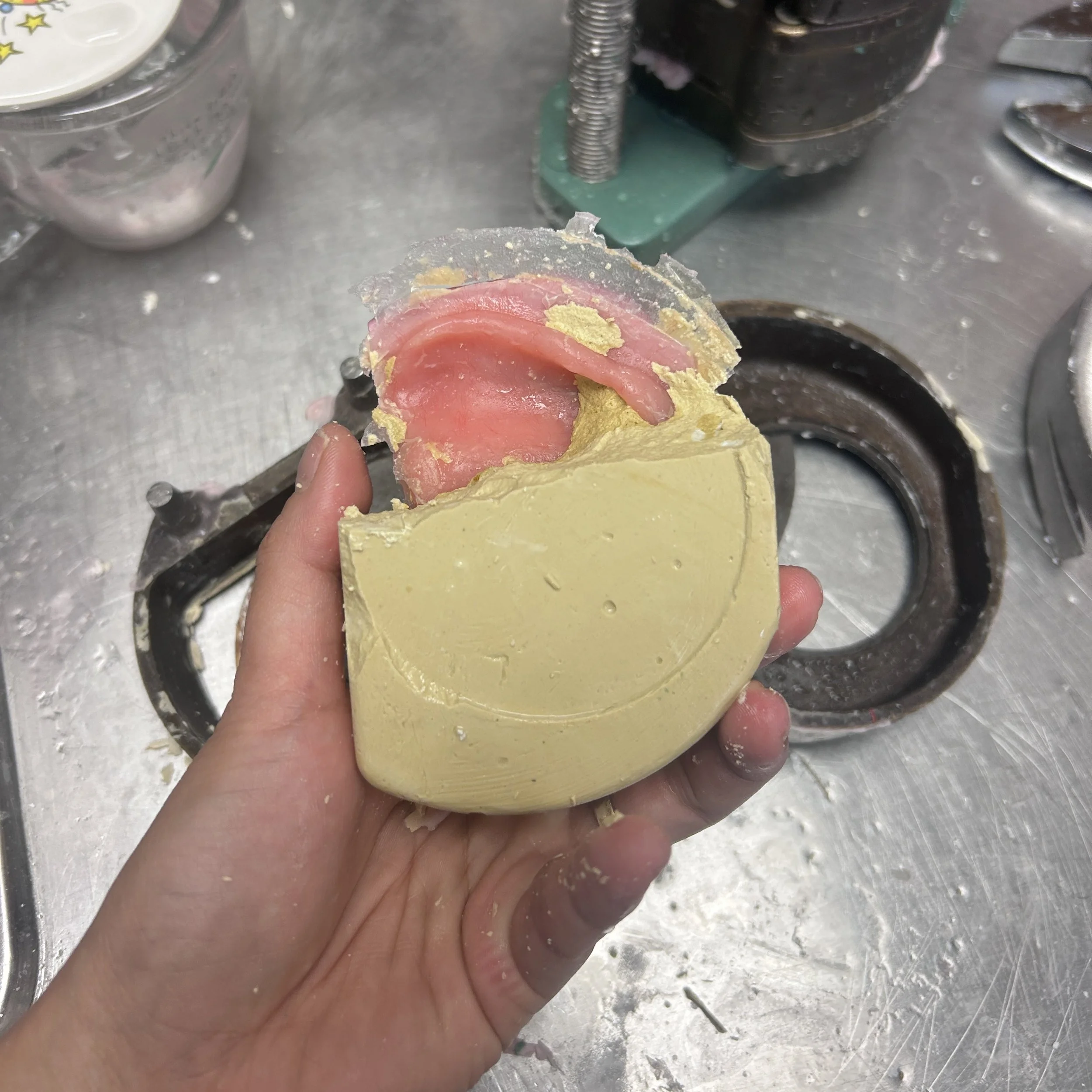
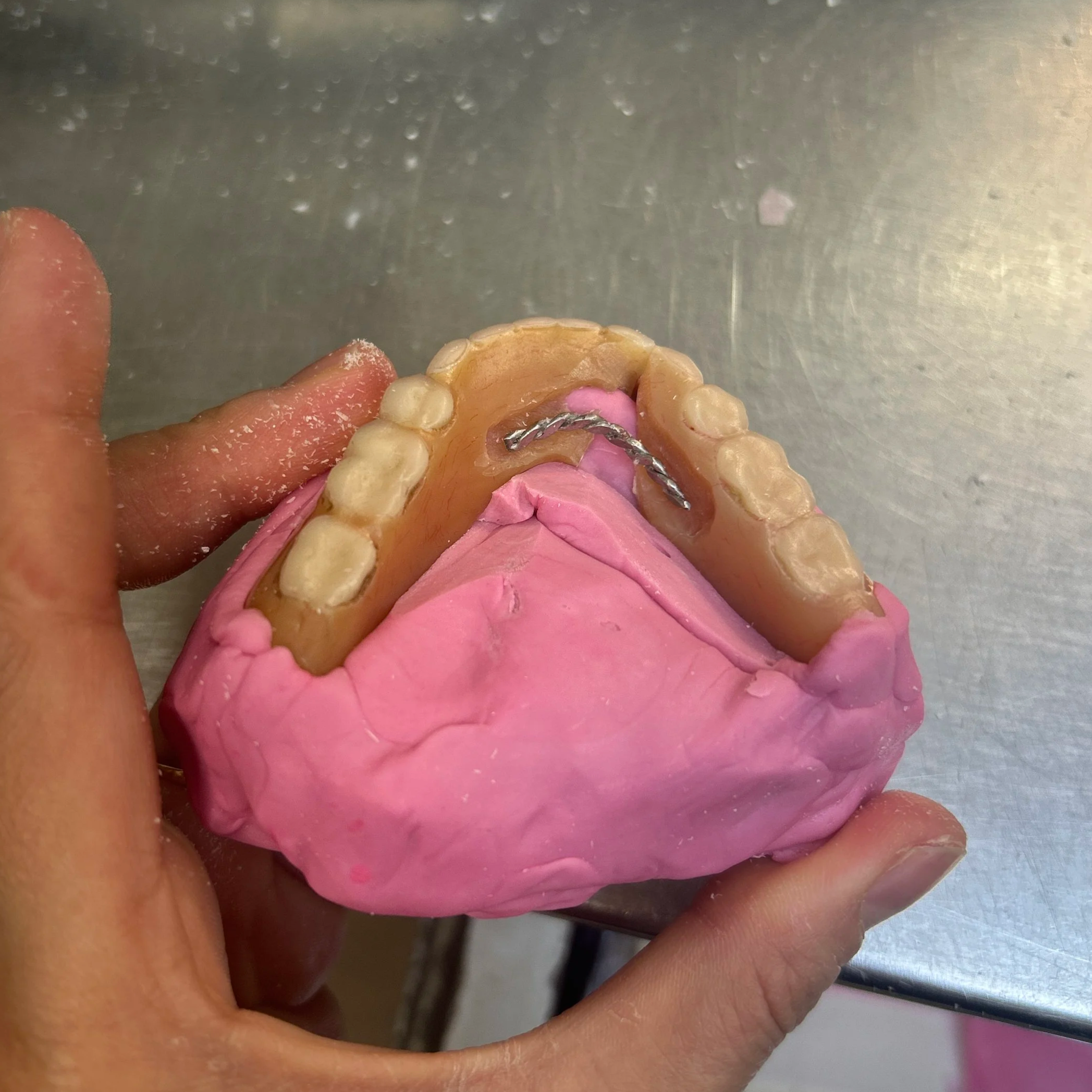
Over time, your gums naturally shrink, which can cause your denture to become loose. A denture reline involves adding new material to the underside of the denture (the part that sits on your gums) to improve fit, comfort, and stability—without replacing the entire denture. A denture rebase is similar, but instead of adding material, the entire pink acrylic base is replaced while keeping your existing denture teeth.
We begin with a consultation to assess whether a reline or rebase will best address your concerns and restore proper fit and function.

Denture Adjustment
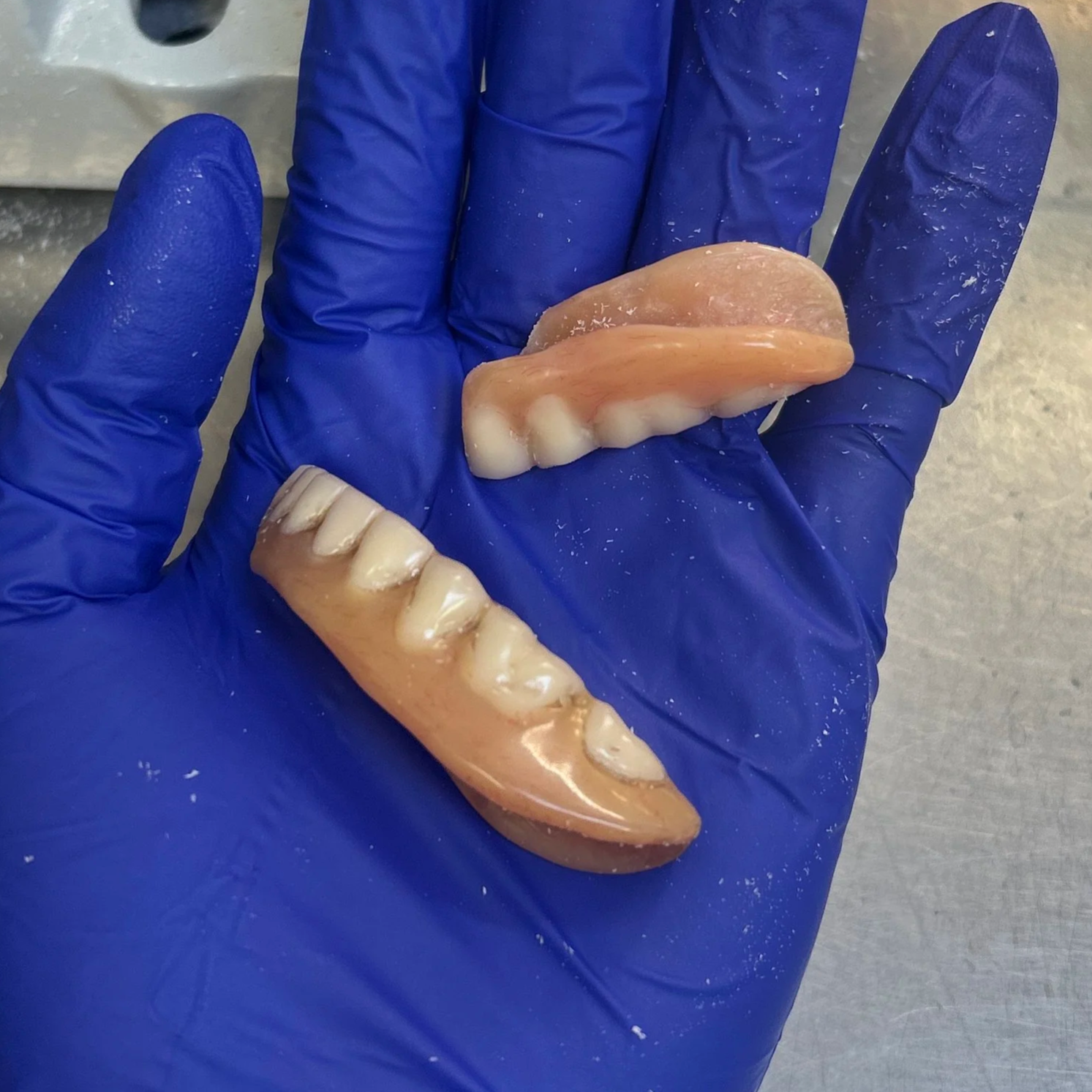
A denture adjustment is a minor modification made to relieve sore spots or improve comfort.